


Available Subfamilies
- Amblyoponinae
- Dolichoderinae
- Dorylinae
- Ectatomminae
- Formicinae
- Leptanillinae
- Myrmicinae
- Ponerinae
- Proceratiinae
- Pseudomyrmecinae
Available Regions
Ants of Southeast Asia:
- Home
- Ecology
- Identification Keys
- Ants of Borneo: species list
- Amblyoponinae
- Dolichoderinae
- Dorylinae
- Ectatomminae
- Formicinae
- Leptanillinae
- Myrmicinae
- Ponerinae
- Proceratiinae
- Pseudomyrmecinae
Ants of Mongolia:
- Home
- Species list, Peiffer (2006)
- Critical Checklist, Pfeiffer et al. (2007)
- Diversity and biogeography, Bayartogtokh et al. (2014)
- Dolichoderinae
- Formicinae
- Myrmicinae
Ants of Iran:
Ants of Germany:
- Home
- Dolichoderinae
- Formicinae
- Myrmicinae
- Ponerinae
- Ants of Central Europe, by Dr. Magdalena Sorger
- Ants of Baden-Württemberg, by Dr. Christiana Klingenberg
- Dolichoderinae
- Formicinae
- Myrmicinae
- Ponerinae
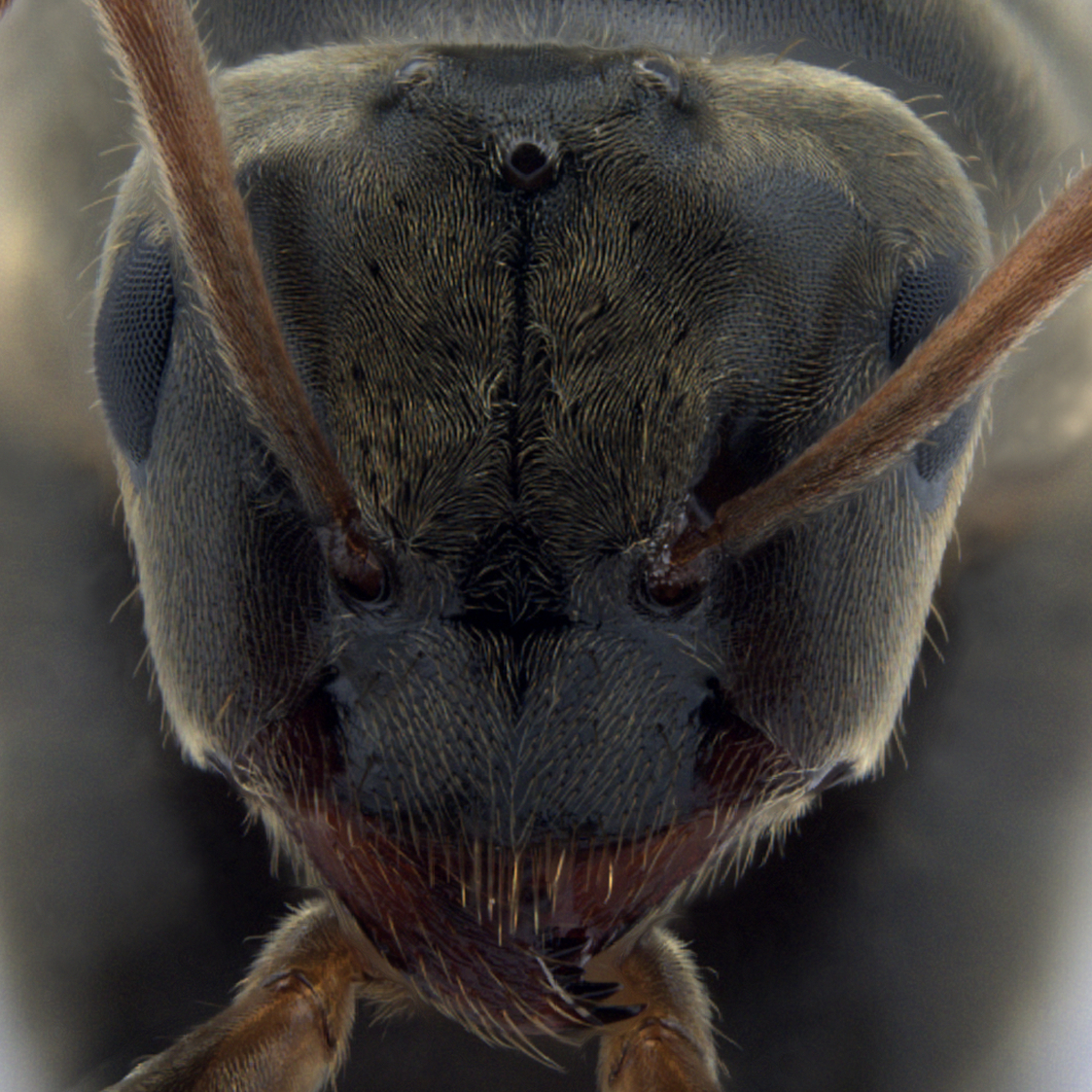
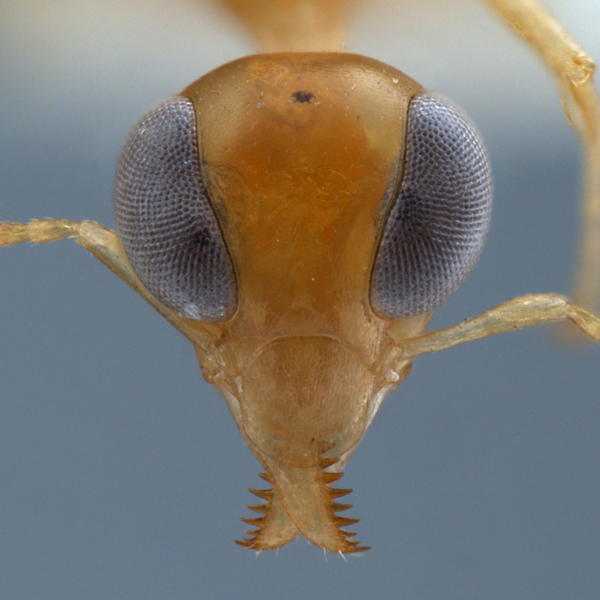
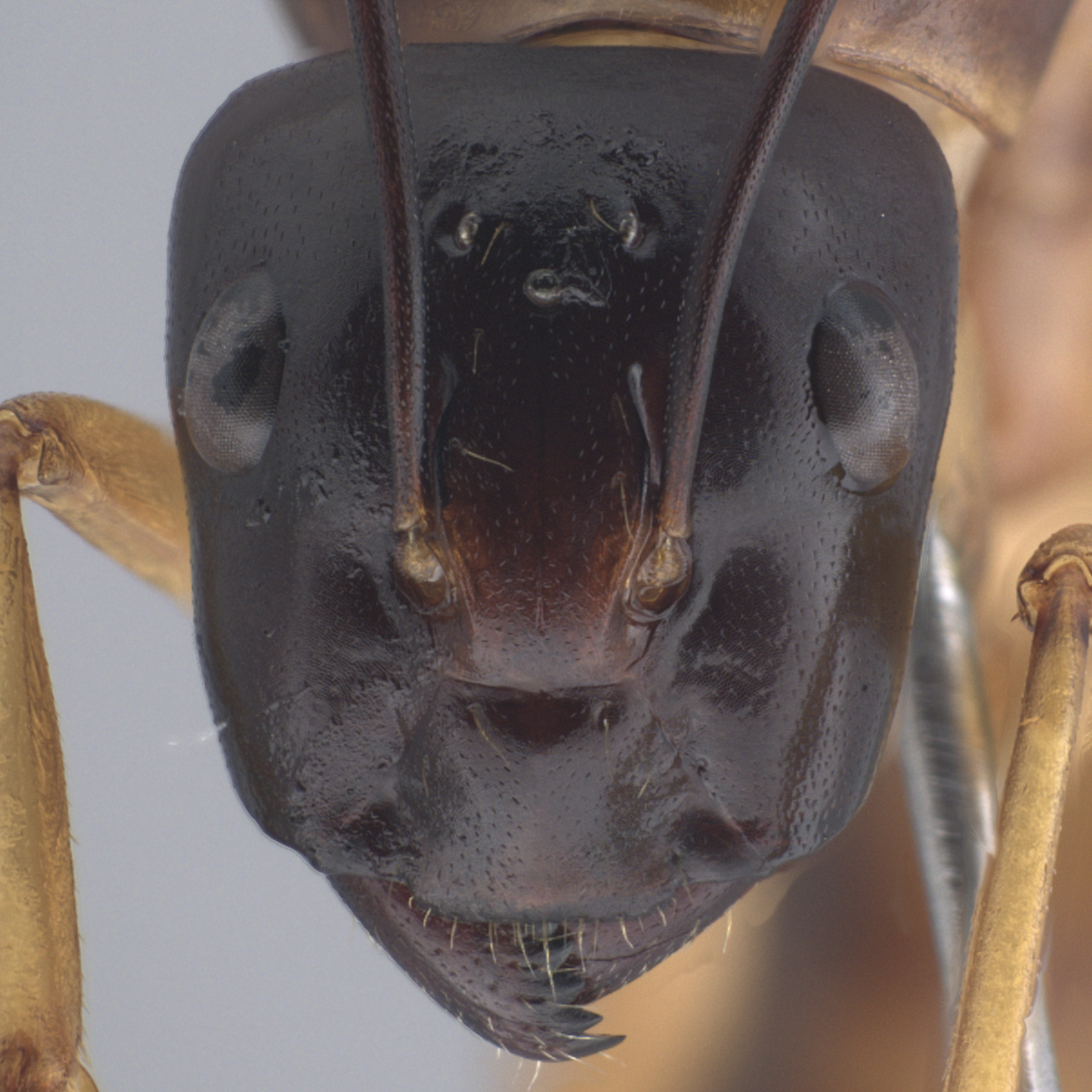
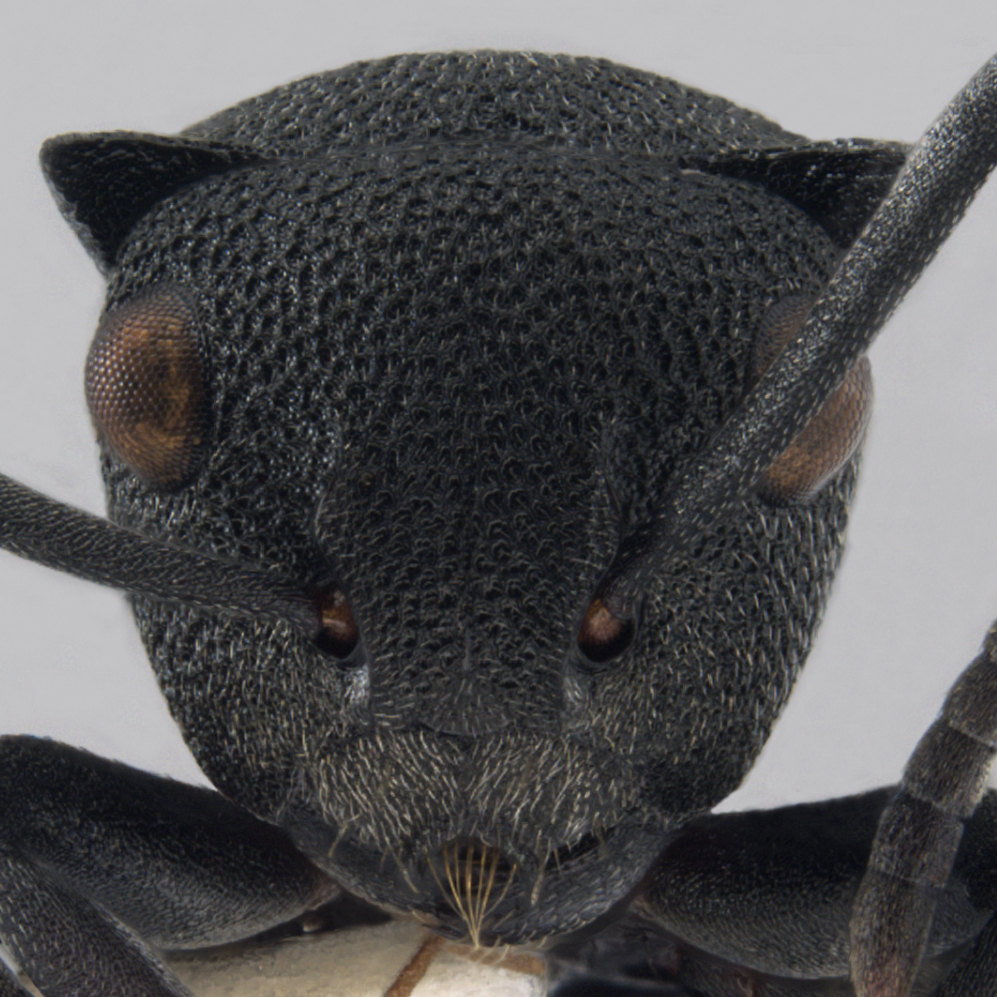
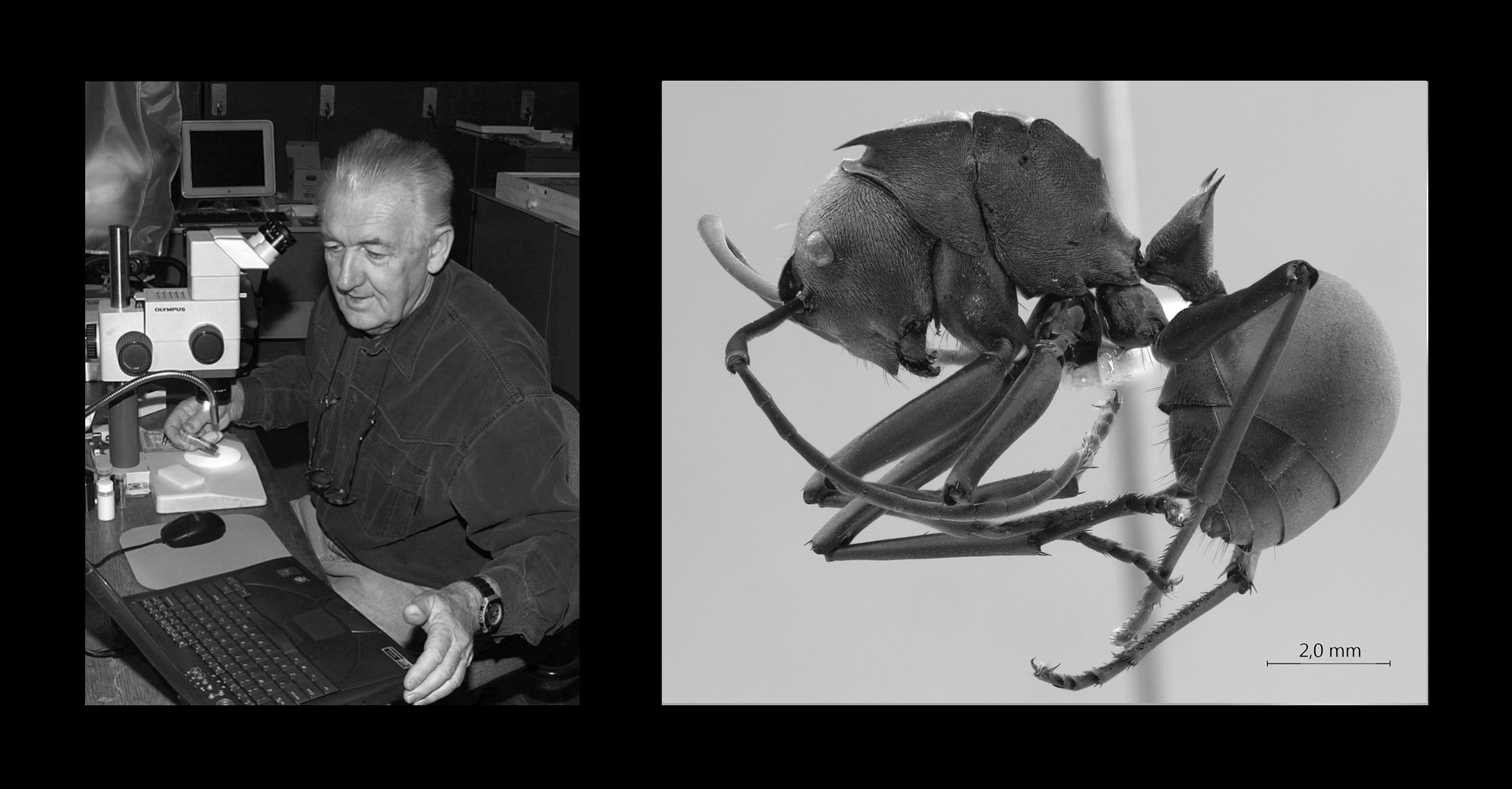
Macro photographs of Dr. Bernhard Seifert:

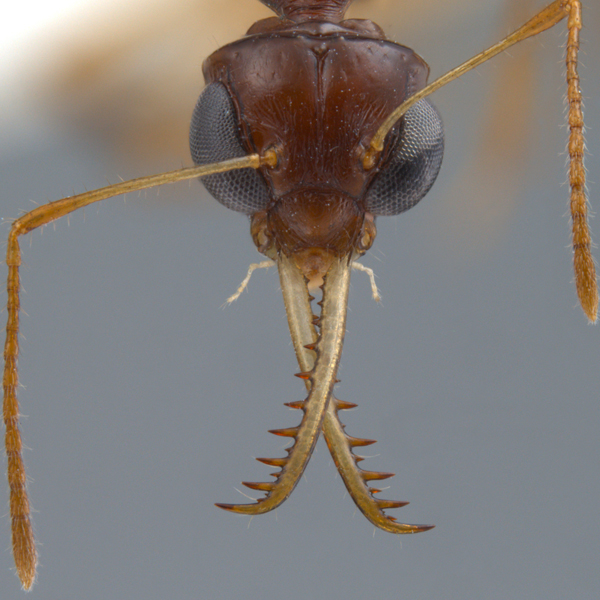
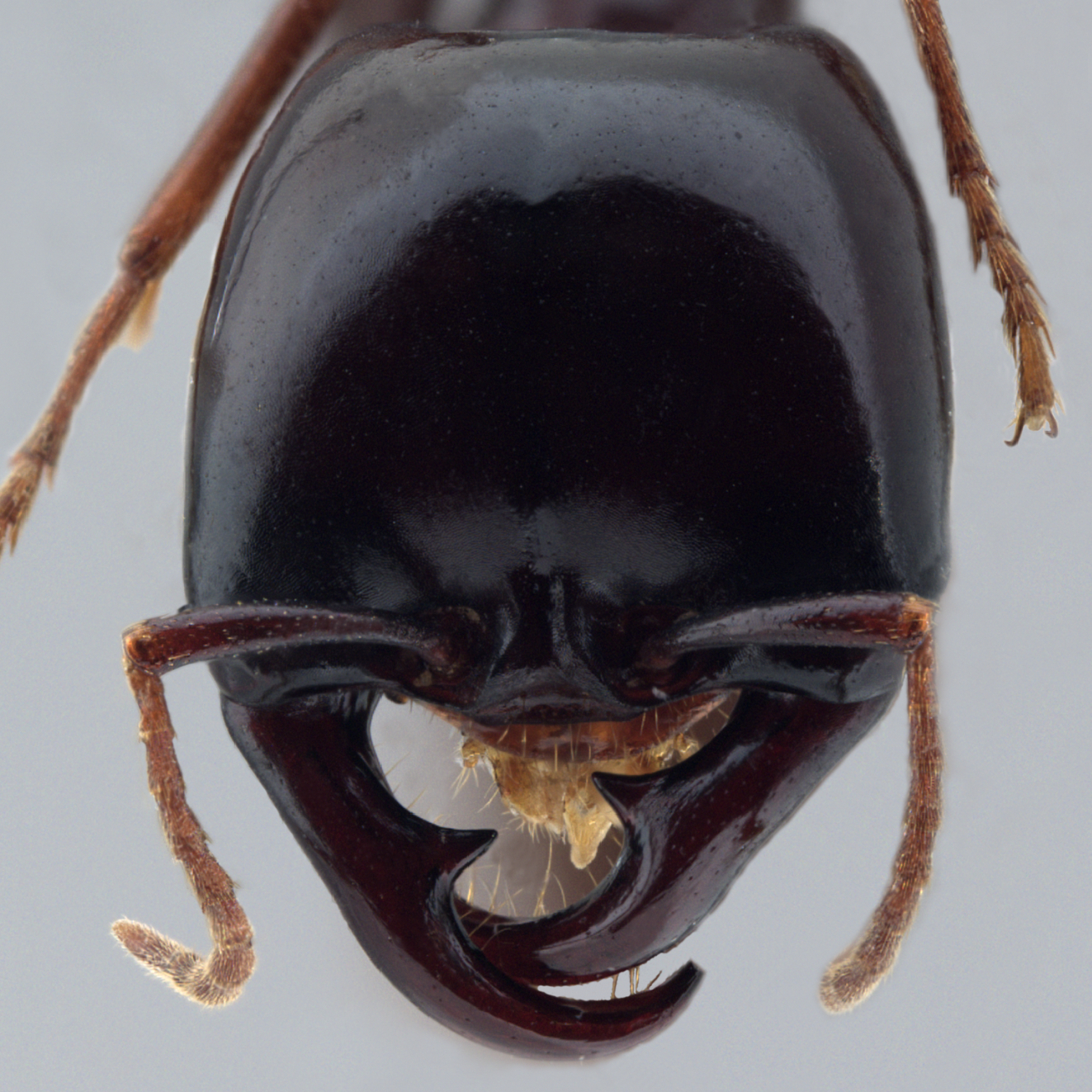
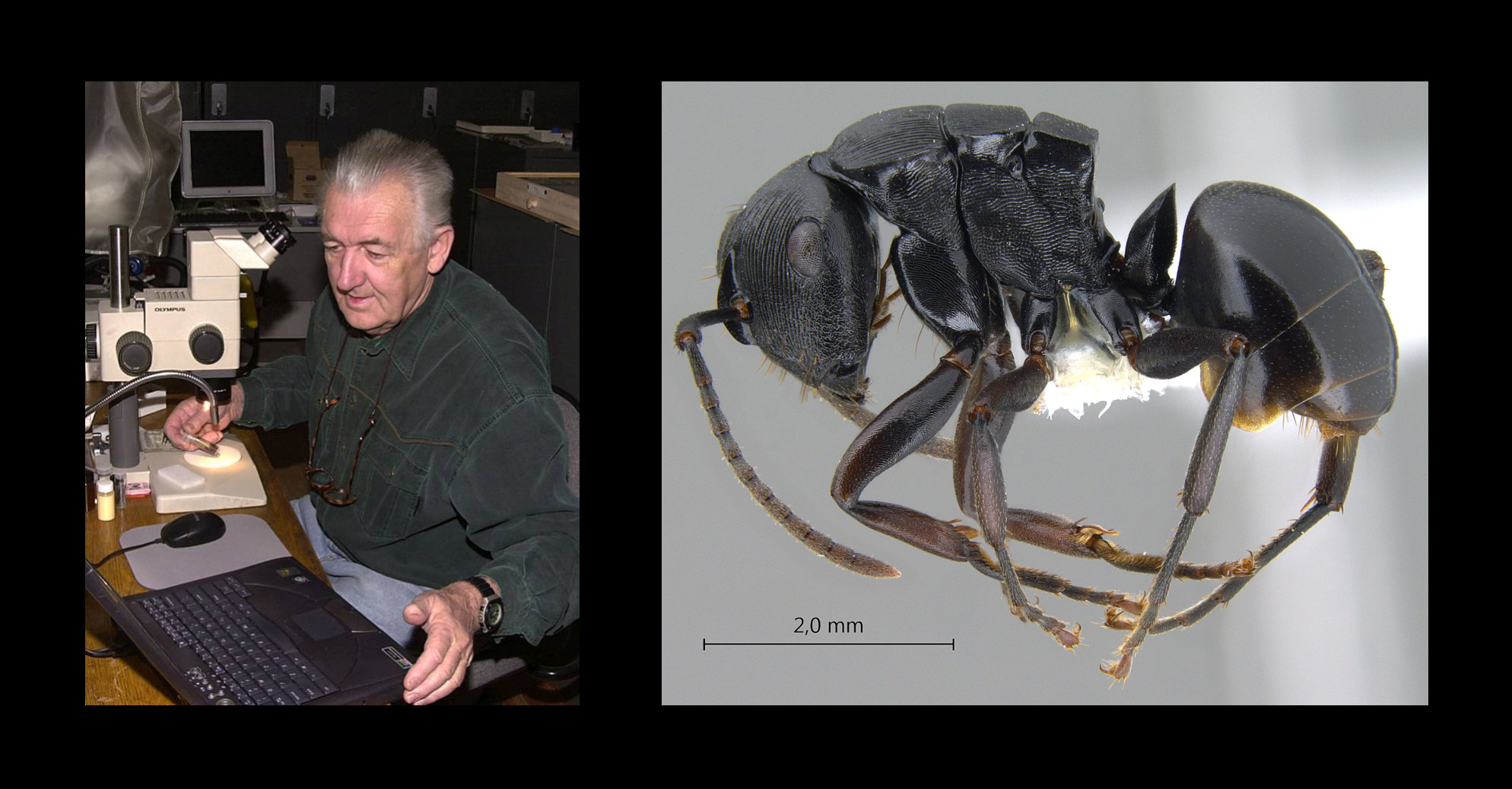
Remembering Edward O. Wilson
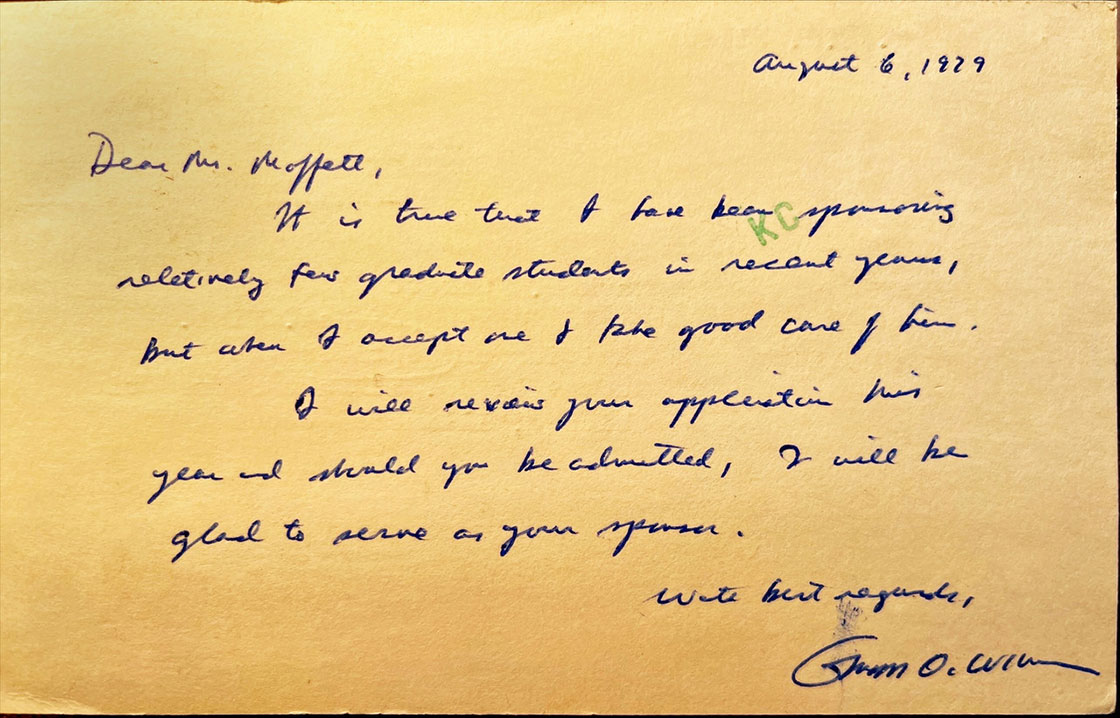
The loss of the celebrated biologist Edward O. Wilson will be mourned by legions of readers for whom his work was a beacon, shaping the public understanding of evolution, clarifying the place of our species in this world, and illuminating the value of biodiversity and the need for a global commitment to conservation. We at antbase.net also mourn the passing of the great myrmecolologist Ed Wilson, who advanced our science like no other and presented it to the public in his many books.
Ant researcher, tropical biologist and non-fiction author Mark Moffett was Prof. Dr. Wilson's PhD student. In an article published on the website of Skeptic Magazine, he takes a personal look back at this great scientist, who died on 26 December 2021 in Burlington, Massachusetts (USA). Please read his story about this scientific titan....
Asian Myrmecology pays tribute to deceased ant researchers
Three ant researchers who dedicated themselves to the study of Asian ants are posthumously acknowledged in the new volume of Asian Myrmecology. The journal is publishing a Memorial Issue for Christian Peeters, with a collection of personal and scientific anecdotes from various collaborators. Simon Robson and Seiki Yamane pay tribute to Polyrhachis expert Rudy Kohout, advocate and promoter of ANeT. And ANeT's long-time secretary Bakhtiar Effendi Bin Yahya is acknowledged in a third article. May the three of them rest in peace! Hopefully, enthusiasts will be found to carry on their work.

Checklist of the ants of Bhutan
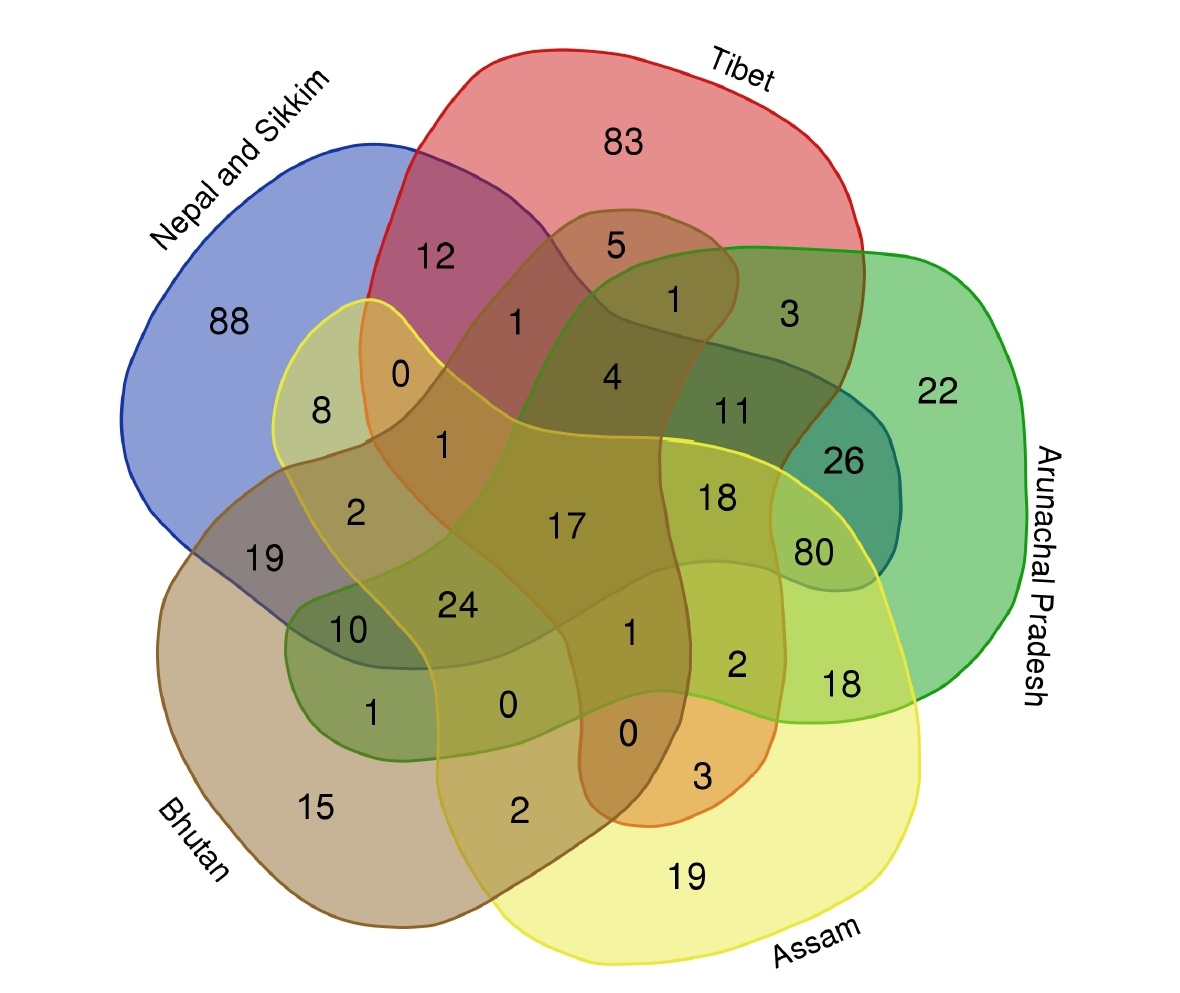
Ant researcher Karma Chorten Dendup and his colleagues compiled a preliminary checklist of the ants of Bhutan. In the latest issue of Asian Myrmecology, the research group published their list and thus filled another gap in the knowledge about the ants of the Himalayas. This brings the number of species known from there to 103 from 39 genera. Ven diagram belows shows species overlap among Bhutan and its neighboring countries. Check out the paper at Asian Myrmecology
A new ASIAN MYRMECOLOGY paper on the biology of Discothyrea sauteri in Japan paper went online first
In September 2020, Keiichi Masuko published a new paper on the biology of Discothyrea sauteri in Japan. The author presents information on colony composition, arthropod egg predation, and antennal structure of this cryptic ant species.
Here, you may download a PDF of this new ASIAN MYRMECOLOGY paper
Identification key of the Japanese Pheidole queens
The Japanese ant specialists Seiki Yamane and Shingo Hosoishi recently published a paper "Identification of the Japanese species of the ant genus Pheidole based on queen characters" in the Japanese Journal of Entomology. This project aims to supply such kind of keys for most of the Japanese genera to help biodiversity researchers in Japan, so the language used is Japanese. However, in Appendix 2 an English translation of the key is provided. As a scientific service for readers of AntBase.Net we provide the original high-quality pictures taken by Shingo Hosoishi. Please have a look! We thank the authors and the Japanese Journal of Entomology for permission to present this unique contribution. Note that that there is an error in the first key on page 52 (line 7 from bottom; please replace "8" with "P. susanowo").
ASIAN MYRMECOLOGY
A new paper went online first: Strumigenys of Korea
Min-Soo Dong and Sam-Kyu Kim just published a new paper about Strumigenys in South Korea. Besides a description of a new species, the authors present a detailed key and taxonomic information on all Stumigenys species of South Korea.
And of course, ASIAN MYRMECOLOGY always offers free access to all of its papers!
Announcement: passing of
Ass. Prof. Dr Bakhtiar Effendi Bin Yahya
The editors of Asian Myrmecology deeply regret the passing of one of their editorial staff, Ass. Prof. Dr Bakhtiar Effendi Bin Yahya.
Dr Bakhtiar completed his PhD at Kagoshima University (Japan) and wrote his dissertation on the ant genus Myrmicaria in Southeast Asia. He returned to Borneo, where he later became Associate Professor at the Institut Biologi Tropika dan Pemuliharaan (IBTP) of the Universiti Malaysia Sabah (UMS) in Kota Kinabalu.
Bakhtiar was a key member of Asian Myrmecology and ANeT, and supported the journal through both administration at the University Malaysia Sabah, and through duties as an editor and reviewer. Ant research in Borneo has suffered a great loss.
He will be sadly missed. We mourn with his family, friends and colleagues.

New in January
Report on the ANeT meeting 2019 in Thailand
From nesting ecology of Polyrhachis in Thailand's dry evergreen forests, the secret live of Rhopalomastix inside the tree bark, ants along an elevational gradient in New Guinea, DNA barcoding of ants from the Philipinnes to the description of new Platythyrea species: the the 12thAneT meeting in Bangkok covered a large array of different trending myrmecological topics and was attended by more than 83 participants from at least 17 countries.
Read more about this inspiring ant conference!
ASIAN MYRMECOLOGY
Two papers went online first: larval morphology of Myrmica and sugar preferrences of ants
Natalie Madsen and Joachim Offenberg report on sugar preferrences of two ant species. Himender Bharti and his co-workers described in their new paper three larval instars of two ant species of the genus Myrmica from the Indian Himalayas
And of course, ASIAN MYRMECOLOGY always offers free access to all of its papers!
Global Ants Database
Upgrade to make all data open access
Today, the Global Ants Database (GLAD) became open access. Access via the web interface will still require registration, but after the automatic approval, all registered users will be able to search and download from the GLAD database.
Explore the newest web-based tool of ant ecology!
New in August
Webstory part 6: Expedition to collect ants at the Mount Mulu in Sarawak
Just a short notice, the sixth and last part of the webstory of Dr. Dirk Mezger and his ant collecting expedition just went online!
Have a look at the sixth part of this webstory!
ANeT meeting 2019: Registration and abstract submission open
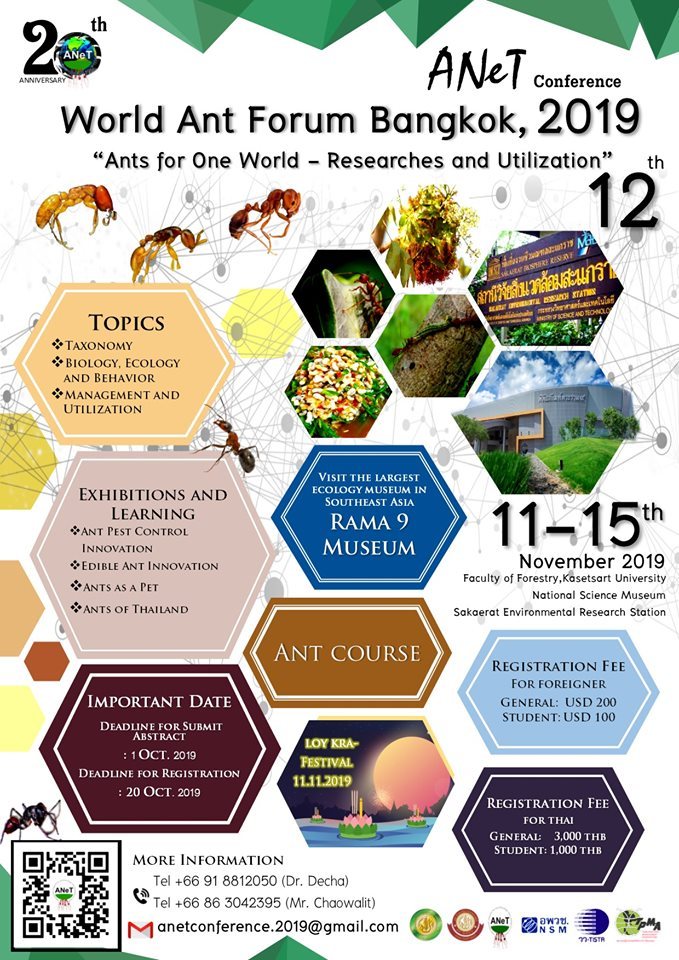
Now, you may register and submit an abstract for ANeT conference 2019 which will be held at the Faculty of Forestry, Kasetsart University, Bangkok, Thailand from 11th to 15th November 2019. For more information, please have a look to the website of the ANeT meeting 2019 or download this conference flyer.
Please keep in mind that there is a deadline
for the submission of abstracts: 1st October 2019
New in July: More High resolution ant pictures and part five of Dirk Mezger's Webstory
In July, we present part five of Dr. Dirk Mezger's webstory about his ant collecting expedition. This part is about the lab work and the exploration of the area around the headquarters of the Gunung Mulu National Park. And we present some high resolution photographs of ants collected during this expedition. Have fun with both of them!
New images of ants from Sarawak!
Enjoy the summer with part five of the webstory!
Webstory part 4: Dirk Mezger's expedition to collect ants at the Mount Mulu in Sarawak
New on 04th June 2019: the fourth part of the webstory of Dr. Dirk Mezger and his ant collecting expedition is online! This part is about field work on Mount Mulu and the return to the HQ!
Have a look at part four of this webstory!
Webstory part 3: Dirk Mezger's expedition to collect ants at the Mount Mulu in Sarawak
New on 22th May 2019: the third part of the webstory of Dr. Dirk Mezger and his ant collecting expedition is online!
Have a look at the third part of this webstory!
Webstory part 2: Expedition to collect ants at the Mount Mulu in Sarawak
Just a short notice, second part of the webstory of Dr. Dirk Mezger and his ant collecting expedition just went online!
Have a look at the second part of this webstory!
ASIAN MYRMECOLOGY
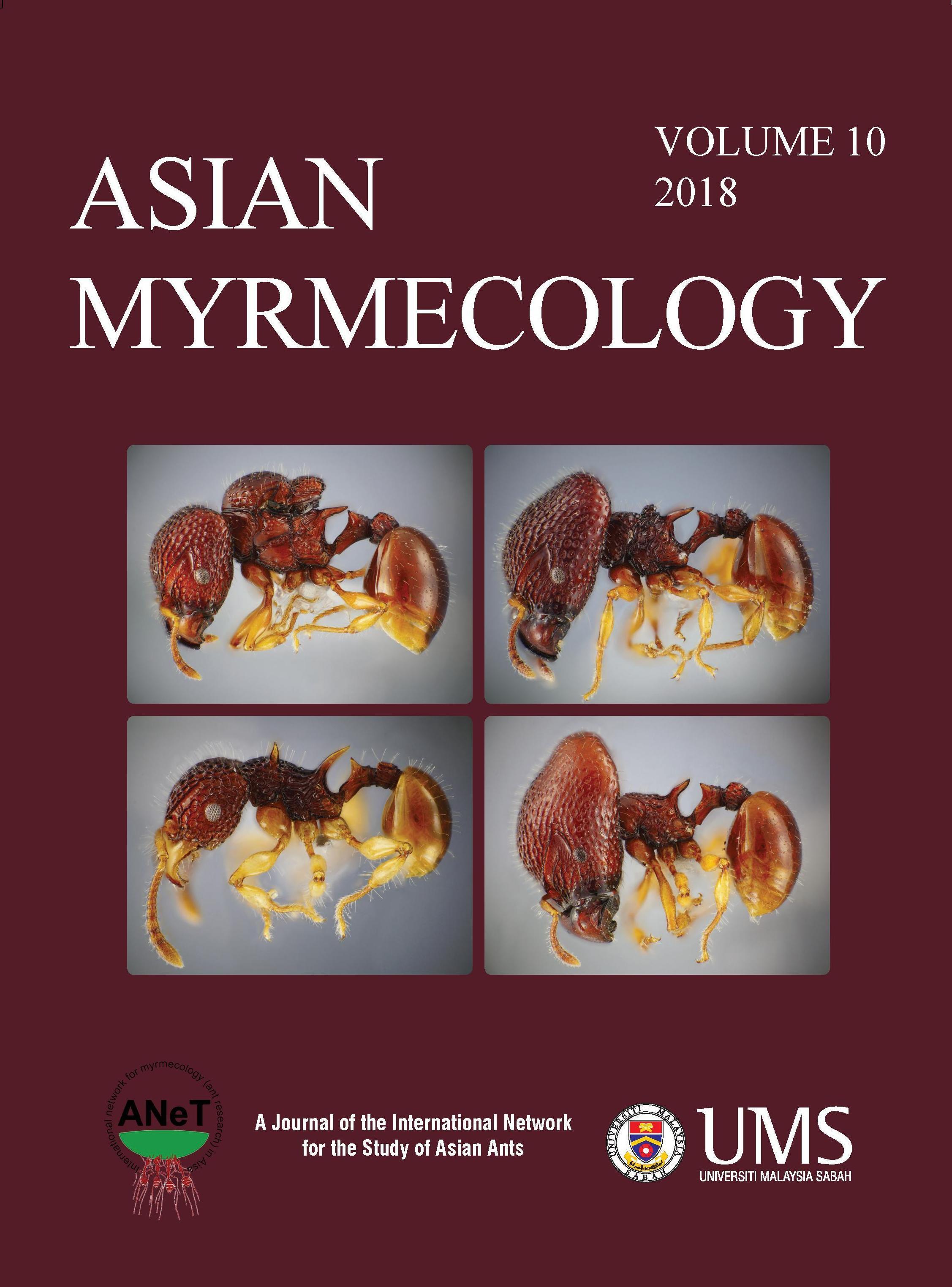
Volume 10 published and another paper went online first
11th May 2019 was an important day for ASIAN MYRMECOLOGY. On this day,
the print edition of volume 10 was made available online. Furthermore, one more paper went online first. This paper is a redescription of Monomorium pallidum based on specimen from Iran by Lech Borowiec and co-authors. Moreover, this is the first paper of ASIAN MYRMECOLOGY published in a new design.
And of course, ASIAN MYRMECOLOGY always offers free access to all of its papers!
New in May:
Webstory: Expedition to collect ants at the Mount Mulu in Sarawak
In March and April 2019, Dr. Dirk Mezger from the University of Bayreuth, Germany and antbase.net startet his expedition to collect ants in the montane forest of Gunung Mulu National Park. Here, he will report in a webstory what he has to be done to uncover some secrets of the ants from Borneo. Regular updates on this webstory will soon follow!
Have a look at the first part of this webstory!
New in February:
New ant pictures from Malaysia
In February 2019, we present a small selection of ants from Malaysia from our Antbase.Net Collection. This selection even includes an alate of Colobopsis explodens which was described last year as a species new to science by Alice Laciny and Herbert Zettel.
Have fun with our rain forest ants from Malaysia!
First Announcement of the 12th ANeT International Conference 2019
The 12th ANeT International Conference 2019 will take place from 11 - 15 Nov, 2019 at Faculty of Forestry, Kasetsart University, Bangkok, Thailand. More information regarding registration, abstract submission and other relevant data will follow soon.
New in January:
More ant pictures from all over the world
Happy New Year! We hope you had a good start to 2019! This month, we present another colourful selection of ants from Italy, Ivory Coast, Malaysia, Indonesia and Australia from our Antbase.Net Collection.
Enjoy the first month of 2019 with our new ant photographs!
First record of Brachymyrmex patagonicus from continental Asia
Another new paper went Online First in December!
On 31st December 2918, a new Asian Myrmecology paper went online first. Benoit Guénard reports on the discovery of Brachymyrmex patagonicus in Hong Hong which is the first record of this emerging global pest ant from continental Asia..
Have a look at the newest findings in ant research!
New in December:
New photographs of ants as Xmas gift
This month, we invite you to another myrmecological journey around the world. We present high resolution pictures of ants from Martinique, the United States, Germany, Namibia and Malaysia as Xmas present to our users. Have a look at our treasures of Antbase.net Collection!
Enjoy your holiday season with our ant pictures!
PhD position in Behavioural Ecology of ants
Dr. Florian Menzel, University of Mainz, Germany is offering a PhD position in the behavioural ecology of ants. The candidate will investigate behavioural responses to footprints in ants, their chemical and behavioural mechanisms, and the consequences for colony fitness and competitive interactions. He/she will perform lab and field experiments as well as simulation studies. Please remember
that there is an application deadline: 15th December 2018.
Detailed decription of the PhD position
New in October:
New ant pictures from Asia and Europe
In October 2018, we added a new colorful selection of ant pictures to our ever growing virtual collection on antbase.net. We present six species from Germany, Italy and India. This time, we even show some extras together with the ants pictures: for some specimen, we display a photograph of the habitat where the ant was collected. Or do you want to discover tiny arthropods associated with ants?
Have a look and enjoy our new ant pictures!
New in September:
More new photographs of ants from Asia
In September, we present the last part of the collection Professor Seiki Yamane provided to
Have a wonderful fall with our ant photographs!
The life history of the doryline ant Lioponera daikoku
Another AM paper went Online First in August!
August 2018 is a very productive time for
Have a look at the newest adavnces in ant research!
New in August:
New photographs of ants from Japan, New Guinea and Germany
In August, we show you a colorful selection of ant photographs from
Enjoy the summer with our ant pictures!
Call for specimens: SEM study on morphology of resin collecting ants
Christine Grabatin from the University of Bonn, Germany needs specimens for her PhD study on resin collecting ants. She is studying the mandible structure with SEM in order to to detect structures on the workers' mandibles that explain why the resin does not really stick to the mandibles when being worked. The results might provide new insights to the evolution of social behaviour. A number of species are most interesting for her project: Formica paralugubris, Gauromyrmex sp. and all Vollenhovia species, especially Vollenhovia sp. aff. acanthina
More information on Christine's PhD project!

© 2018 Marlis Merbach
In Memory of Ulrich Maschwitz (1937 - 2018)
With great sadness we let you know that Prof. Ulrich Maschwitz passed away on 25th July 2018 after long illness.
Prof. Dr. Ulrich Maschwitz dedicated his life to the study of Asian ants, with Malaysia as a focus point of his work. He was a real ant expert, a great observer, who knew fascinating details of the life history and behavioral ecology of rare (tropical) ants, guided his students to the most interesting fields of research and translated the observations into marvelous scientific reports of stunning ant behavior. His enthusiasm, spirit, humor and philanthropy will be missed sadly.
Continue with an obituary written by Prof Dr. Heike Feldhaar.
Five new AM paper went Online First in August
On 1st and 2nd August 2018, five more Asian Myrmecology paper went online first. These publications present a wide range of fascinating facts of Asian ants starting with a study on the biology of Lioponera, a work on the taxonomy of the Leptogenys chalybaea species group including descriptions of two new species and a paper on queen polymorphism in Acanthomyrmex careoscrobis.
Are you more interested in the community ecology of ants in Borneon peat swamp forests or the predation behaviour of Colobopsis?
Enjoy the summer with at the newest findings in myrmecology!
New in July:
More pictures of ants from Germany
This month, we present some ant photographs in order to enhance our section
Enjoy our images of ants from Central Europe!
New in June:
A further selection of ant photographs
In June, we present a new colorful array of high resolution photographs of various ant species from Japan, Taiwan, Thailand and Indonesia. This month, our selection includes pictures of Seiki Yamane's collection and Jochen Drescher's collection of the EFForTS project.
Have fun with our ant photographs!
New in May:
New high resolution photographs of unusual ants
This month, we present again a selection of special ants to you: we start with photographs of the new described exploding ant Colobopsis explodens which made it into the news and almost went viral. We continue our presentation with a species of cryptic leaf litter ants from the Japanese Ryukyu Islands from the collection of Seiki Yamane san. Last, but not least we show you two Tetramorium species from the mountains of Sarawak which were photographed and described some years ago by Dr. Magdalena D. Sorger.
New in April:
Six new photographs of rare ants from Asia
In April, we continue our presentations of new high resultation photographs of ants. This time, a selection of species from Indonesia, Taiwan and Japan is waiting for you! This selection cotains some very rare species like Protanilla lini and Paraparatrechina kongming which are rarely shown on other websites. Again, many thanks to Seiki Yamane san for providing these six-legged treasures!
Renewal of antbase.net
Antbase.net grew constantly with an astonishing increase of the picture quality and the quantity since its foundation in 2004 with some very first simple technology photographs of ants from Malaysia.
Currently antbase.net presents high resolution photographs of 1151 specimens from 826 species (deadline 8th February 2018) These specimens represent 119 genera and ten subfamilies. Even if antbase.net still has a focus on ants from Asia and the Palaearctic region, this website presents ants from 34 countries of all continents.
Since the last decade experienced many changes in ant systematics due to countless advances in ant research, it was time for us to sort all species according to the current ant systematics. This work was used to integrate all ant photographs to the our database and doing a light cleanup on the website. We refreshed some country and regional presentations and removed a few outdated tools.
We hope you enjoy the changes and invite you to explore the renewed antbase.net.
Have fun!
New in March:
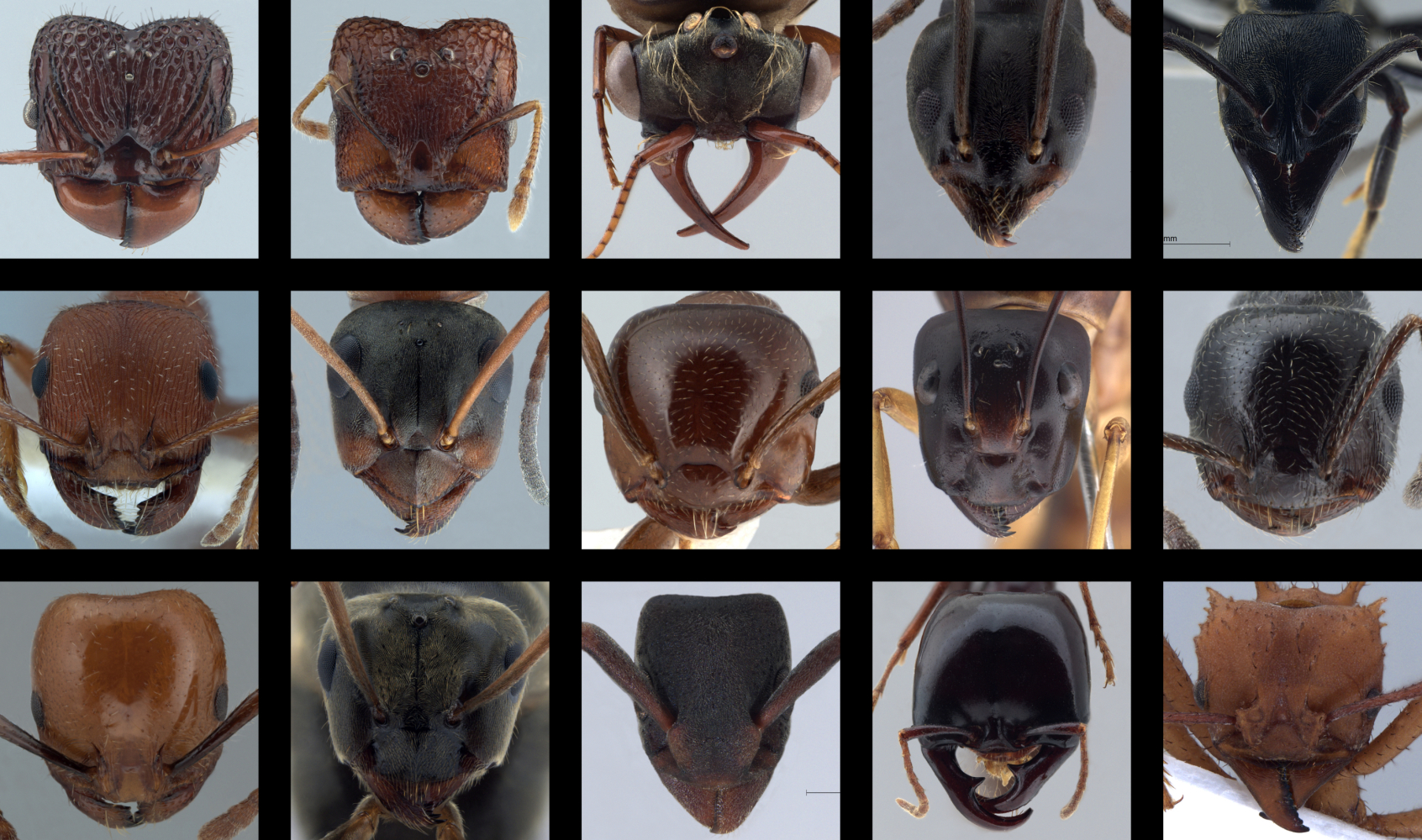
New pictures of six Polyrhachis species from Asia
This month, we present a selection of charismatic Polyrhachis species from South Korea, Thailand, and Indonesiac as Easter gift to our user. These spiny ants are part of Seiki Yamane san's collection and Jochen Drescher's collection of the EFForTS project.
Enjoy our high resolution photographs and Happy Easter!
New in February:
New pictures of ants from Germany
In February 2018, we present some of high resolution photographs of ants from Germany in our monthly section. Again, these ants are part of Seiki Yamane san's collection who collected them during a visit to Germany in 2016.
Have a look on five Formica species and Tapinoma erraticum!
The ant fauna of Oman, Aphaenogster from Thailand and the morphology of Brachyponera sennaarensis
Three new AM paper went Online First in February
On 13th and 16th February 2018, three more Asian Myrmecology paper went online first. One paper presents an overview of the ant fauna of Oman including the description of two new species, a short communication explains the biology of six Aphaenogaster from Thailand and the third paper shows the morphology and ultrastructure of the ant Brachyponera sennaarensis.
Have a look at the newest findings in myrmecology!
Discoverants.com
A new website with ant related educational resources for school teachers
Recently, Dr. Magdalena Sorger launched a website called discoverants.com. This site is a hub for educational resources primarily for school teachers (with students age 6-18) who want to bring ants and ant science into their classrooms. This site provides
educational material, citizen science projects and reading material.
Even if this website is developed basically for the use in the United States, discoverants.com might be useful for educational projects all around the world.
ASIAN MYRMECOLOGY
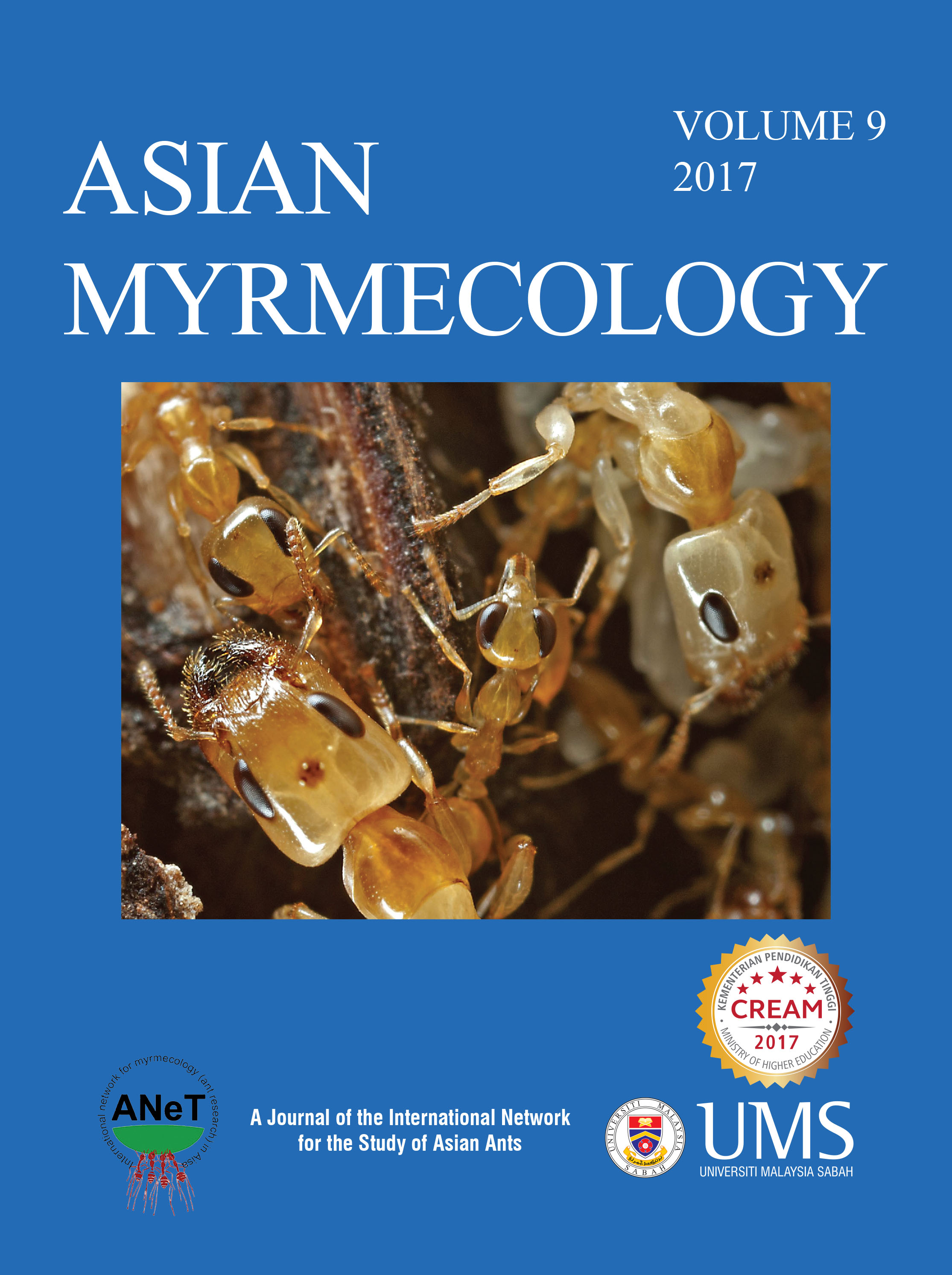
Volume 9 published and two more paper went online first
31st January 2018 was a very important day for ASIAN MYRMECOLOGY. On this day,
the print edition of volume 9, printed in December 2017, was made available online. Furthermore, two more paper went online first. One paper is a description of a new Leptanilla species discovered in Macau by Chi-Man Leong, Seiki Yamane and Benoit Guénard. The other paper deals with the taxonomy of an Aphaenogaster species from the Caucasus by Sebastian Salata and Lech Borowiec.
And of course, ASIAN MYRMECOLOGY offers free access to all of its papers!
New in January:
New pictures of ants from Taiwan
Happy New Year! 2018, we start our monthly section of new high resolution ant photographs with some ants from Taiwan. Seiki Yamane san collected them on a field trip to this island and provided them to antbase.net. Dear Seiki, thank you so much for these rare ants!
New in December:
New photographs of ants as Xmas present
This month, we present high resolution photographs of ants from Taiwan as Xmas present to our users. These specimens were collected by Professor Seiki Yamane san who kindly provided some valuable ant specimens to antbase.net. Have a look at the treasures of the Seiki Yamane Collection!
Enjoy your holiday season with our ant pictures!
An new species of Strongylognathus and feeding behaviour of Acanthomyrmex
Two new AM paper went Online First in November
On 16th Novemember, two more Asian Myrmecology paper went online first: one taxonomic work describing a new species of Strongylognathus from Inner Mongolia, China, and a short communication describes fig seed harvesting behaviour of Acanthomyrmex ferox from Malaysia.
Do not miss the new described Strongylognathus species and learn about the behaviour of Acanthomyrmex!
Ants in the city and nuptial flights of Crematogaster
Two more AM paper went Online First in October
October is a very productive month for Asian Myrmecology since two more paper just went online first. One of these papers is about the fascinating urban ant diversity discovered in Macao, while another paper presents a study on nuptial flights of Crematogaster living in Macaranga trees.
Discover the ants of Macao and read about nuptial flights of acrobat ants!
An Asian Myrmecology paper on polymorphism of Gesomyrmex ants goes Online First in October
Gesomyrmex is a little known, but enigmatic genus of arboreal ants from the tropical rain forests of South-East Asia. Christian Peeters and his co-workers report on striking polymorphism among infertile helpers in these formicine ants.
ASIAN MYRMECOLOGY made an important step to become awarded by the government of Malaysia
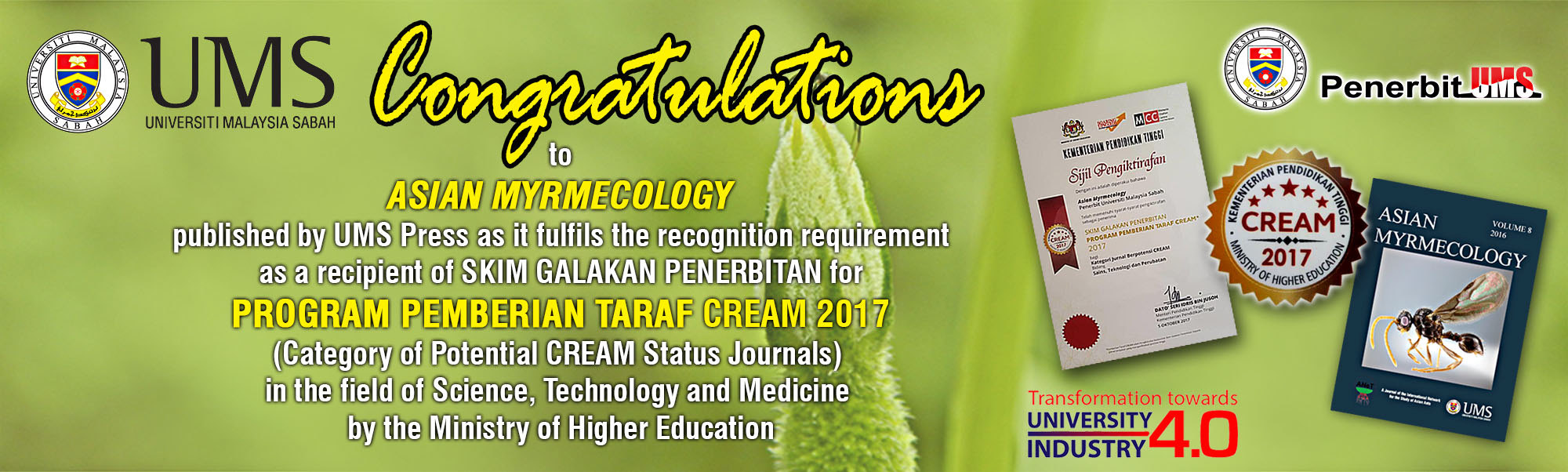
It was just announced that ASIAN MYRMECOLOGY fulfills the recognition requirementt of the 2017 CREAM award! CREAM awards (Current Research in Malaysia) have been introduced by the Ministry of Higher Education, Malaysia, to honor academic journals which have been showcasing noticeable performance and promising growth.
Such awards are also a recognition given to scientific publishers that have been maintaining quality publications, as well as executing successful strategies in continuing growing their scholarly journals. We congratulate the editors and the publishing team of ASIAN MYRMECOLOGY, as well as University Malaysia Sabah to first, but important step towards CREAM!
New in October:
New photographs of ants from South-East Asia
In 2010, Martin Pfeiffer and Hans-Peter Katzmann travelled to the Natural History Museum in London to take high resolution photographs of some specimens of its famous ant collection. Most of these photographs were already presented on antbase.net many years ago. However, we recently discovered that some of these ant pictures have not been published yet. Therefore we present six specimen of the NHM this month.
Have fun with our ant pictures!
Only one week left to the 11th ANeT meeting!
Attend as a conference delegate!
The 11th ANeT meeting will be held from 26th to 28th October 2017 at the Punjabi University Patiala, India. You may still register to attend this meeting as a participant, even if the deadline for abstract submission has already expired. You may find all relevant information regarding registration and other important data on the official conference website.
We hope to see you soon at the 11th ANeT meeting in India!
New in August:
New photographs of Asian and European ants
This month, antbase.net is not on summer holiday. Therefore we present a further selection of ant pictures from Malaysia and Germany. Our monthly selection includes impressive pictures of alates of some well known species like Lasius niger and Camponotus arrogans.
We even offer a little bonus this month since we discovered some ant mites on our Lasius niger specimens.
Enjoy the summer with our ant pictures!
New in July:
New pictures of ants from Europe and South-East Asia
In July, we show a small selection of ant pictures from Greece, Germany and Malaysia. We present some species of carpenter ants including a rarely collected subspecies of Dinomyrmex, one of the largest ants of this group.
This month, you may further discover two stunning major worker ants of the hyperdiverse genus Pheidole.
Two more Asian Myrmecology papers go Online First in June
You are interested in the extinct ant genus Enneamerus from Baltic amber? Or do you want to learn all about the endocrine system of Aneuretus simoni?
Then you do not want to miss the newest publications published as Online first in Asian Myrmecology on 21st and 23rd June.
New in June:
New pictures of unusual ants from South-East Asia
In June, we present a small selection of ants from several countries of South-East Asia like Malaysia, Indonesia and Thailand. We show some acrobat ants from the collection of Seiki Yamane, a Diacamma species from Gunung Mulu National Park named after the ant researcher Magdalena Sorger and some rarely shown casts of Acanthomyrmex!
Have a look at these six-legged treasures!
An Asian Myrmecology paper on behavioral ecology of Myrmoteras ants goes Online First in June
Myrmoteras is a little known genus of leaf litter ants from the tropical forests of Asia. Fuminori Ito and his co-workers report on colony composition and behavioral characteristics of two species living in the rainforests of Peninsular Malaysia.
Commemorating the first anniversary of
Rudolf J. Kohout's death
The 26th May marks the first anniversary of the death of Rudolf J. Kohout. This outstanding ant taxonomist is known for his significant work on the spiny ant genus Polyrhachis. On a special page, we want to honour and remember Rudy by presenting an obitary and exclusive pictures of spiny ants from his personal collection.
Rest in peace, Rudy!
The metapleural gland of Aneuretus simoni - a second Asian Myrmecology paper goes Online First in May
Aneuretus simoni is an enigmatic ant species being endemic to Sri Lanka. Johan Billen from the University of Leuven studied the metapleural glands of these ants in detail and published his results on 17th May 2017 in Asian Myrmecology.
An Asian Myrmecology paper on Lasius niger published Online First in May
You are interested in factors that affect colony growth of the black garden ant, Lasius niger?
Then you should read the new publication of Natalia E. L. Madsen and Joachim Offenberg from Aarhus University!
April 2017 is a very productive month for Asian Myrmecology:
Two more paper went Online First!
On 27th April, two short communications about ants of Singapore were published: one study deals on the ecology of Tyrannomyrmex, while the other paper provides insights to the foraging behavior of Prenolepis.
And for the first time in the history of Asian Myrmecology, you can even watch some short videos of these ants videotaped by the authors of the papers!
Have a look at the newest publications of Asian Myrmecology!
New in April:
New pictures of rare ants
In many cases, male ants are a somewhat neglegted in myrmecology. Therefore we decided this month to include high resolution photographs of three male specimens to our selection of ant pictures. For two species, it is even the first time ever that a picture of a male specimen is presented online or in any publication: Acanthomyrmex concavus and Strumigenys rofocala.
Save this date: 11th ANeT meeting in India!
Update-Registration is open
The next International Conference on Ants (11th ANeT meeting) will take place from 26th to 28th October 2017 at the Department of Zoology and Environmental Sciences, Punjabi University, Patiala, India.
Fore more information regarding registration, abstract submission and other relevant data, please visit the official conference website.
We are looking forward to seeing you at the 11th ANeT meeting in India!
A study on Chinese Leptanillinae published in Asian Myrmecology goes Online First
April 2017 is becoming a very productive month for Asian Myrmecology!
On 13th April, a new study on the distribution of Leptanillinae in China including the description of a new Protanilla species has been published.
Learn about these enigmatic Chinese ants!
Two Asian Myrmecology papers published Online First in April
You want to learn about ant gardens including their inhabitants in South-East Asia? Or do you want to know how to why males are important for the identification of Anochetus?
Then you do not want to miss two new Asian Myrmecology manuscripts published on 5th April 2017!
New in March:
A colorful selection of new ant pictures
With the beginning of spring (or fall if you live on the southern hemisphere), we present a colorful selection of six ants from three continents. Discover our selection of ant species from Malaysia, Thailand, Domimica and Canada including a paratype of a rare Crematogaster species!
A further publication of Asian Myrmecology Volume 9 was published Online First in March
On 9th March, a further paper of Asian Myrmecology Volume 9 was published Online First. Kazutaka Syoji and Katuyuki Eguchi from Tokyo Metropolitan University studied nesting behaviour of two sympatric myrmecines from Japanese broad-leave forests.
International Field Course on ants in Sri Lanka
Interested in learning about ant taxonomy and field sampling in a tropical country in South Asia? Then you might want to attent the "International training course on field sampling methods and identification of ants" offered at the University of Kelaniya, Sri Lanka during 08-09 April, 2017. It is even free of charge!
However, the deadline for applications is approaching very fast: 15th March 2017. Apply soon!
Have a look at the offical poster!
For more information, please click here!
New in February:
Ant photographs from four continents
Winter still rules the northern hemisphere. Therefore we invite you to a myrmecological journey to the warmer parts of the world with ants from Australia, Malaysia, Greece and Ivory Coast.
Click here to enjoy the myrmecological beauties!
The first article of Asian Myrmecology Volume 9 was published Online First in February
On 14th February, the first paper of Asian Myrmecology Volume 9 was published Online First. In this publication, James K. Wetterer reviewed the geographic distribution of the weaver ant Oecophylla smaragdina .
Have a look at this new article!
New in January:
Further new pictures of uncommon Crematogaster species
We hope you had a great start to 2017! We continue our series of rarely collected acrobat ant species with new pictures of specimens from Malaysia, Thailand, Indonesia and the Philipinnes of the collection of Seiki Yamane. Happy new year!
Have a look on the diversity of acrobat ants!
New in December:
Pictures of six rare acrobat ant species
This festive season is getting acrobatic! As a christmas gift, we present to you a selection of rarely shown Crematogaster acrobat ants from Malaysia, Indonesia and Vietnam of the collection of Seiki Yamane. Happy holidays!
Click here to enjoy the little acrobats!
New in November:
Launch of the new ANeT website
This month, we launch a new website for ANeT, the International Network for the Study of Asian Ants. On this website, you may find comprehensive information on this scientific association ranging from the latest ANeT news, membership information to announcements of upcoming conferences.
You may also immerge into the history of ANeT by browsing through the large collection of photographs of previous meetings.
New in October:
New ant pictures from Asia and Australia
In October, we present some more myrmecological beauties. We show to you a selection of five specimens from Malaysia, Thailand, Indonesia and Vietnam of the collection of Seiki Yamane and one further ant species from Australia's rainforests.
Another Asian Myrmecology paper goes Online First in September
September is a very productive month for Asian Myrmecology since this journal released for the third time papers as Online First.
On 22th September, an article of Bharti and co-workers was published on ants as bioindicators of ecosystem health in the Himalayas. The authors present an interesting view on species diversity and invasive species in the world's highest mountain range.
New in September:
More ant pictures from around the world
We are back from our summer break, but we continue our myrmecological journey around the world. This time, we present a small selection of pictures of fascinating ants from Australia, Germany and Ivory Coast.
Have a look and enjoy the diversity!
Three more Asian Myrmecology articles published Online First in September
On 8th September, three more Asian Myrmecology papers have been published Online First.
Fuminori Ito reports on nesting and reproduction biology of Platythyrea and Jaitrong presents together with his co-workers the very first checklist of known ant species from Laos. Alonso and Robson published a book review on Ants of Africa and Madagascar, a guide to the genera by Fisher and Bolton.
Have a look at these new papers!
New in July:
Ant pictures from around the world
July marks the beginning of main holiday season in the northern hemisphere. Therefore we want to invite you to a myrmecological journey around the world with a small selection of photographs of ants from all five continents.
Enjoy our pictures and have a great summer vacation!
Antbase pictures as data-source for research papers
You want to study ant assemblages in the rainforests of Costa Rica and the deserts of Iran, but you don't have time to travel to Central America and the Middle East?
With the help of high resulation photographs hosted by antweb.org and antbase.net, this can be done without leaving your lab. Such a study was done by Sophie Schofield and co-workers at the lab of Kate Parr who compared morphometric traits of ants from two contrasting biomes from Costa Rica and the Iran. They published their paper in Myrmecological News which is soley based on data obtained by making measurements on high resolution photographs of ants obtained at image data bases like antweb.org and antbase.net.
Schofield et al. (online earlier) Myrmecological News
This is great example of the high value of high resulation photographs which are much more than just being stunning pictures.
Two more Asian Myrmecology articles published Online First
On July 1st, two more Asian Myrmecology articles have been published Online First.
Luo and Guénard described a new species of Paratopula from Hong Kong. Ito and coworkers studied the defense functions of Polyrhachis spines against anuran predators.
Don't miss these new findings in myrmecology!
New Book on Wood Ant Ecology and Conservation
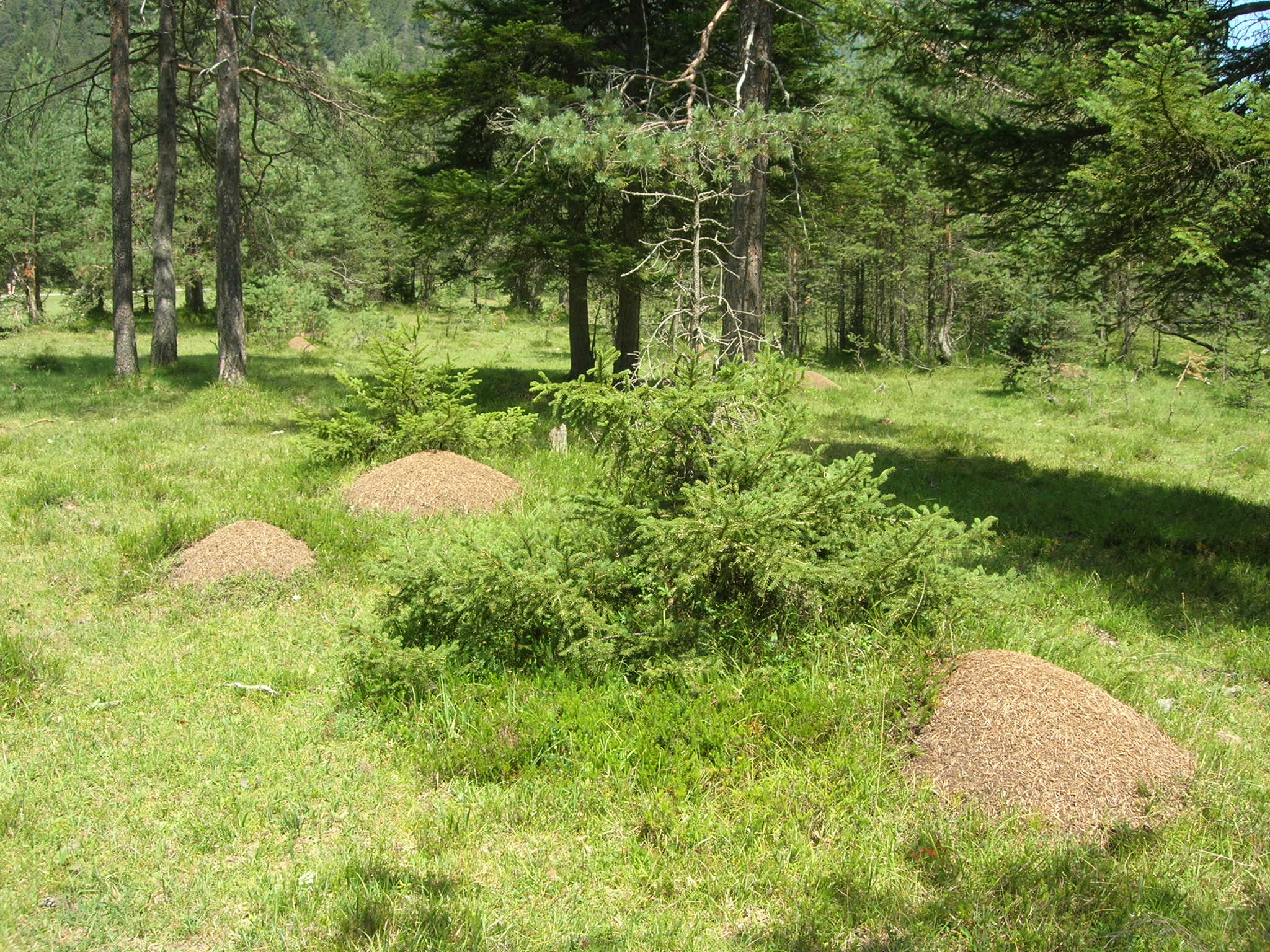
Formica wood ants are ecologically important species for boreal forest ecosystems of the northern hemisphere. These ants are key stone species when it comes to predation, mutualism, bioturbation and nutrient cycling. Therefore a lot of research has been done on these ants, but no comprehensive work on their ecology and conservation has been published yet. A new book closing this gap was edited by Jenni A. Stockan and Elva J. H. Robinson and written by a broad range of ant researcher being experts on all aspects of Formica ecology and conservation.
They will publish soon "Wood Ant Ecology and Conservation" which will be first available on 7th July 2016. Anyone interested in Formica ants will love this book!
Fore more information, click here!

Higher impact factor for Asian Myrmecology
Great news for Asian Myrmecology! Its impact factor has risen to 1.1 from 0.89 and rank in Entomology to 46 from 56 last year.
Congratulate the whole team of Asian Myrmecology for this achievement!
New in June:
The first ant pictures after our restart in Germany
This month, we present the first photographs we produced after our retun to Germany. We managed to repair our camera system and now we are keen to share with our user the very first pictures taken by the new camera.
We are very grateful to Yamane san who provided some rare ant specimens from remote areas of South-East Asia to us.
Click here fore these pictures!
In Memory of Rudy J. Kohout
With great sadness we let you know that Rudy J. Kohout passed away on 26th May 2016. To remember and honor this outstanding ant taxonomist, we created a special page for his memorial.
Farewell Rudy!
Field Course on ants in Sri Lanka
Interested in learning about ant taxonomy and field sampling in a tropical country? Then you might want to attent the "Training course on field sampling methods and identification of ants" offered at the University of Kelaniya, Sri Lanka during 15-16 September, 2016. It is even free of charge! Instructors will be internationally well respected ant scientists like Prof. Seiki Yamane, Prof. Sriyani Dias and Dr. Himender Bharti.
However, the deadline for international applicants is approaching fast: 15th June 2016. Apply soon!
For more information, please click here!
New Citizen Science Project: Ant Picnic Lesson Plan
When you are a teacher or working in any other educational position with children or grown-ups, you might be interested in the newest citizen science project of Rob Dunn. His team wants to set up a worldwide large-scaled study on what type of foods ants prefer and needs your help!
A great opportinity for children and students to feed ants, learn about nature and contribute to real science!
If you have any qestions, please click here!
New in May:
Pictures of taxonomic works from Asian Myrmecology
This month, we present some photographs of ants from the taxonomic works published in Asian Myrmecology Volume 7. Our selection includes odd genera like Simopone shown for the first time on antbase.net and species from exotic type localities like a Pristomyrmex described as a new species from the Philippine island Mindoro.
And we present a Polyrhachis species named after the late Rudy J. Kohout described by Benjamin D. Hoffmann.
Have a look at these rarities!
Ants from Germany for Barcoding needed
The German Barcode of Life (GBOL)) project at the research museum Zoologischen Staatssammlung Munich wants to complete its collection of barcodes of ants from Germany. Therefore the team of the GBOL project is looking for samples of ants from Germany preserved in 96% ethanol. Here is a list of the already barcoded species. If you can help with any not listed species, please contact
.
For more information, please click here!
Barcoding at the ZSM (in German language only)
Asian Myrmecology goes ONLINE FIRST!
This weekend, Asian Myrmecology has published its first papers as online first. And a DOI has been assigned to all papers including the ones of the back issues of this journal which allows a better citation and faster publication. Enjoy the new publications on taxonomy, morphology and ecology of Asian ants!
Have a look!
Identification keys for Bornean ants updated
We just updated our collection of identification keys for ants from Borneo. We refreshed the links for a free download of almost any identification key and added some new taxonomic studies covering ants from this tropical island. This list may become a valuable resource for every myrmecologist studying Bornean ants.
Click here!

New in April:
High resolution pictures of Polyrhachis from Asia and Australia
Spring remains spiny! This month, we present further photographs of spiny ants from Australia and South-East-Asia. Again, all shown specimens were part of Dr. Dirk Mezger’s phylogenetic study on Polyrhachis done at the Moreau Lab at the Field Museum in Chicago. Click here for these fascinating ants!
Have a look at the spiny ants!
An Easter present for our valued antbase user:
Fascinating photographs of Polyrhachis
This month is getting spiny! We present some pictures of Australian spiny ants. The evolution of Polyrhachis originated in South-East Asia, but spiny ants dispersed several times to Australia where they experienced a massive radiation with several hundreds of Polyrhachis species being found down under. Click here for a small selection!
The shown specimens were part of Dr. Dirk Mezger’s phylogenetic study done at the Moreau Lab at the Field Museum in Chicago. For the purpose of DNA-extraction, some legs were removed from the mounted specimens and Dirk processed their DNA according to the state of art of DNA work. For the first time on Antbase.net, you can even have a look at genes of the presented ants since we present Genbank numbers including links to the sequences. Enjoy the beauty of these great insects!
So we wish all of you a peaceful and happy Easter weekend and after a short break we will be back soon with more captivating pictures.
Symposium "Ants 2016" takes place in Munich
This year, the symposium "Ants 2016" will be held in Munich. The leading scientists of the world studying ant interactions with fungi, microbes, other insects, and plants will gather to Munich from 5-7 May this year. The researchers will give insights to their research and discuss their newest outcomes with their colleagues. Don't miss this inspiring event! For more information, see here!

New in March: Two Sphingtomyrmex species from Thailand
This month we present pictures of Thai species of the enigmatic genus Sphingtomyrmex. Weeyawat Yaitrong and coworkers recently revised the species of this doryline genus from Thailand. Their work was published in the Far Eastern Entomologist. Here you may find pictures of Sphinctomyrmex furcatus and the very first photographs of the newly described S. siamensis.
Welcome to Dr. Dirk Mezger - the new project manager of www.antbase.net
Since the end of February we have a new project manager for antbase.net! Dr. Dirk Mezger has joint our team and will act as team leader and photographer. At the same time we opened our new lab at the University of Bayreuth. So now we really arrived in Germany!
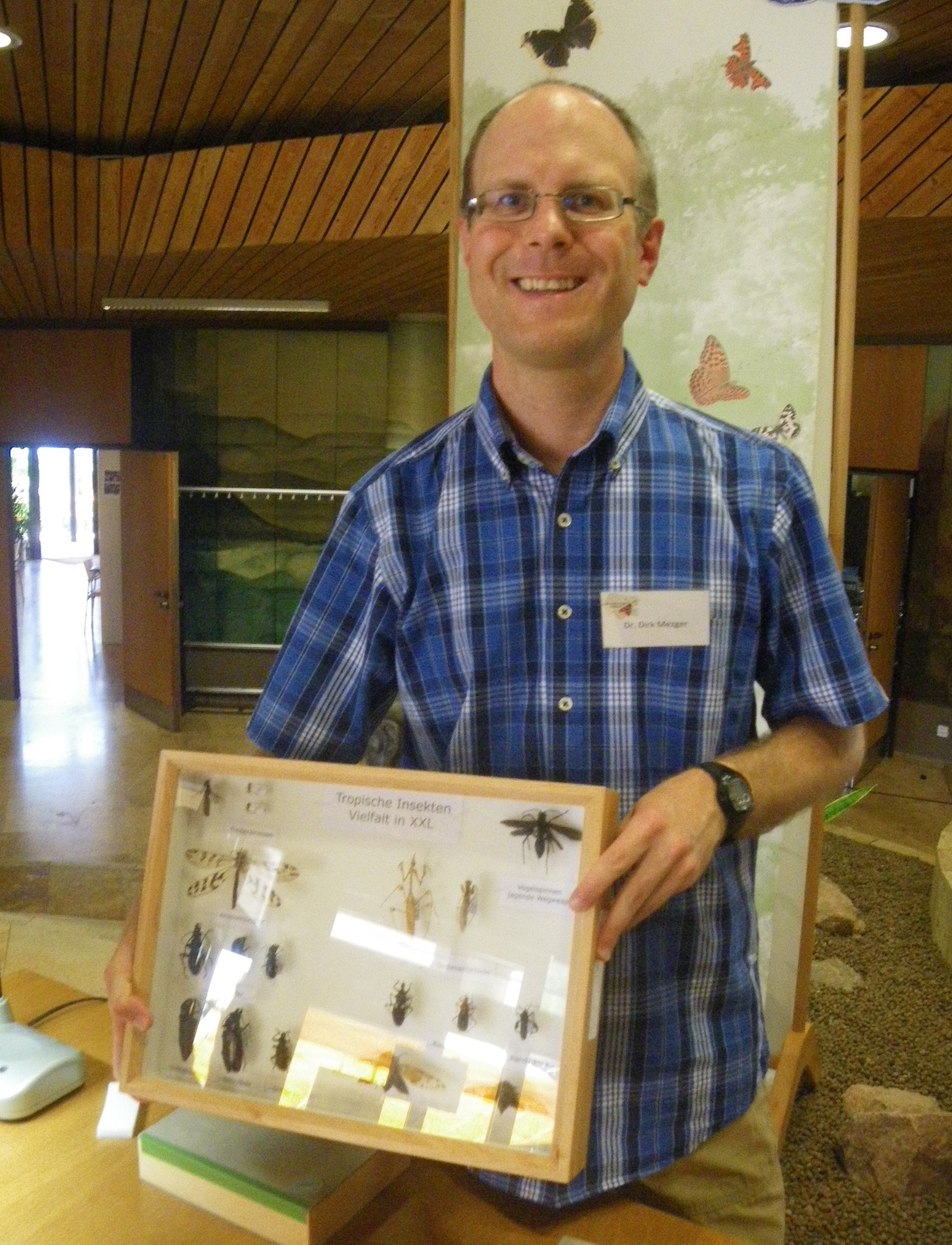
Dr. Mezger is well known to ant researchers for his recent study on Polyrhachis phylogeny. We will soon report on this fascinating genus of the Old World tropics.
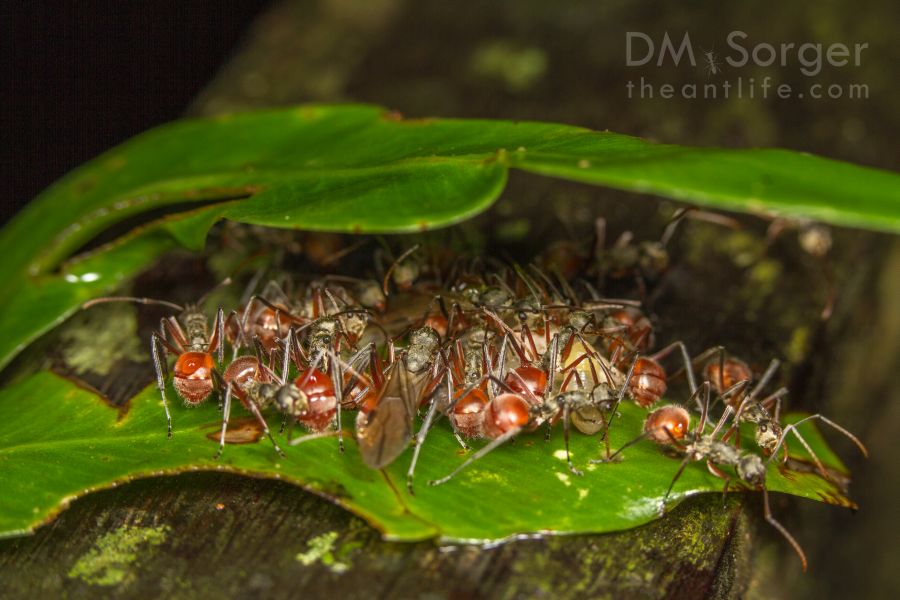
Brilliant photographs of living ants
Daniela Magdalena Sorger was an ecconomist, when she discovered her love for ants. She went to Mulu NP in Sarawak for her first field research and after that she worked for www.antbase.net as a photographer. This year she has finished her PhD in the lab of Rob Dunn (North Carolina State University). Now she published a website on her research (theantlife.com), which includes a photogallery with beautiul ant pictures. Have a look!
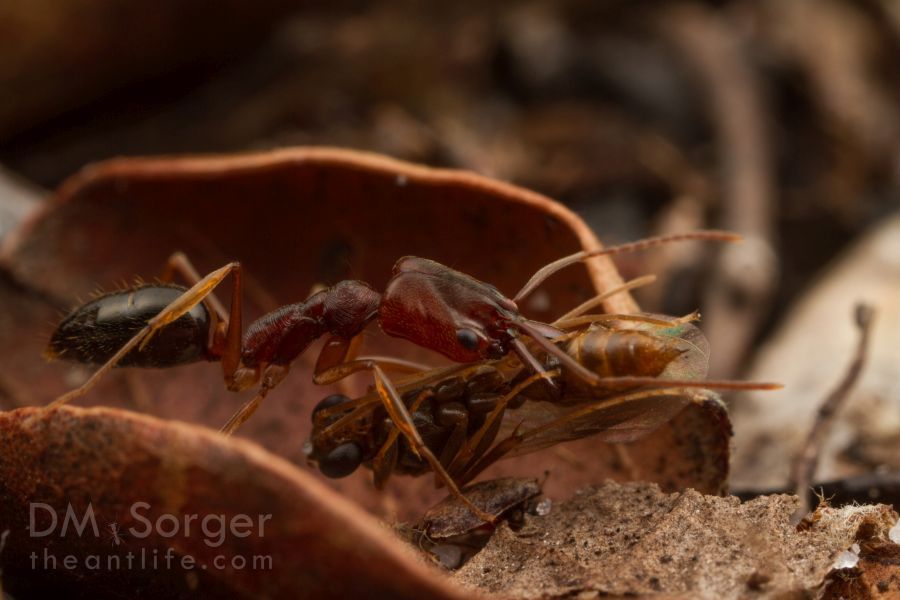
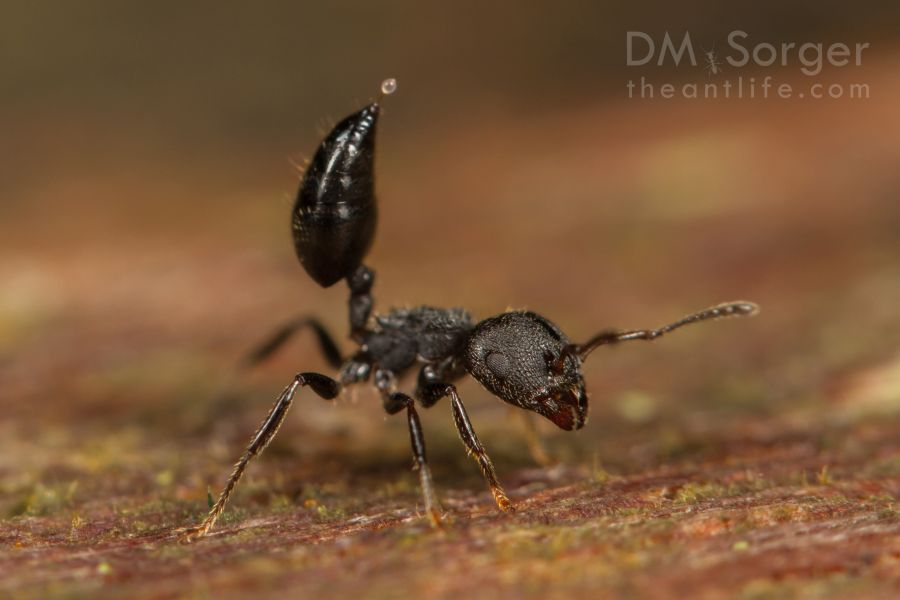
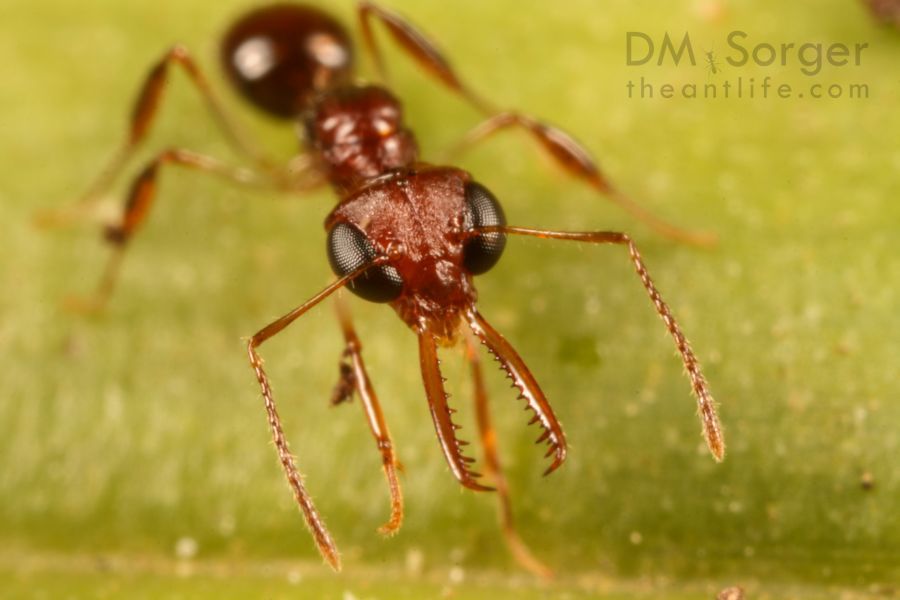
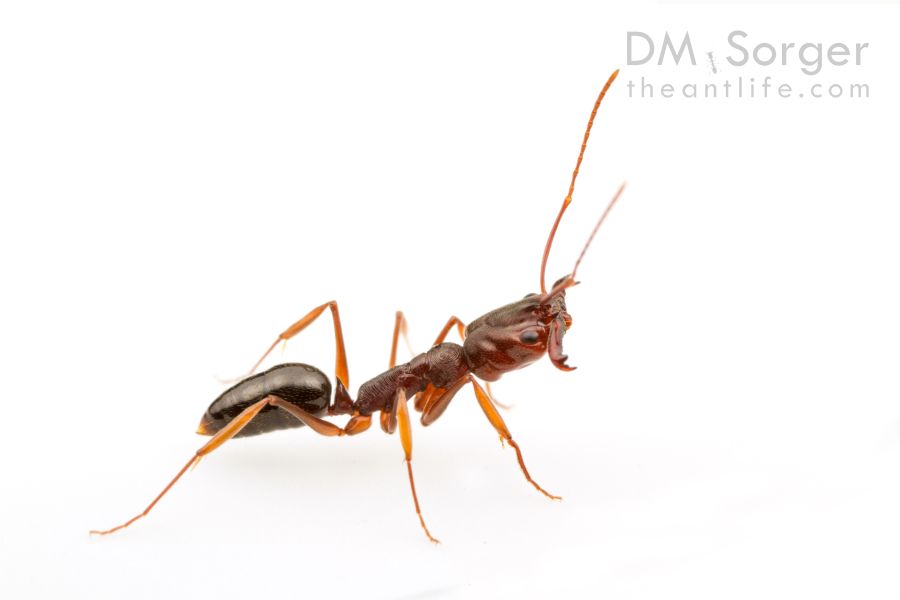
We are back to Germany!
After five years in Mongolia we have moved back to Germany in October. We took the TransSib train, while our equipment came by air freight. Martin got support from an old friend, Carl Beierkuhnlein, who is a professor for biogeography at the University of Bayreuth. He invited us to come to Bayreuth and to teach at his department from January 2016. So we came "back to our roots", as Martin made his Master Diploma at that university. Thank you Carl!
Three species of Recurvidris from Thailand from a recent publication of Weeyawat Jaitrong and Decha Wiwatwitaya
The last ant pictures "made in Mongolia"
As Martin is leaving Mongolia, he will also take the camera back to Germany. Anu, our Mongolian photographer has taken the chance to show what she has learned in the recent time. Here she presents excellent pictures of 17 ant species. The specimens have been donated and lend by Prof. Seiki Yamane, our Japanese counterpart, who is a exceptionally gifted ant researcher with a very large personal ant collection. We say thank you to both of them! Good luck Anu for your next job & private life!! In the next days our ant lab will move back to Germany after 5 years of stay in Mongolia. We hope to continue from there very soon. But now, please have a look to the photographs, including the typespecimen of Myrmica yamanei, please click!
New issue of Asian Myrmecology
In mid of holidays Asian Myrmecology has published its new issue with 18 most interesting papers on taxonomy, distribution and behavior of Asian ants. Check it out!
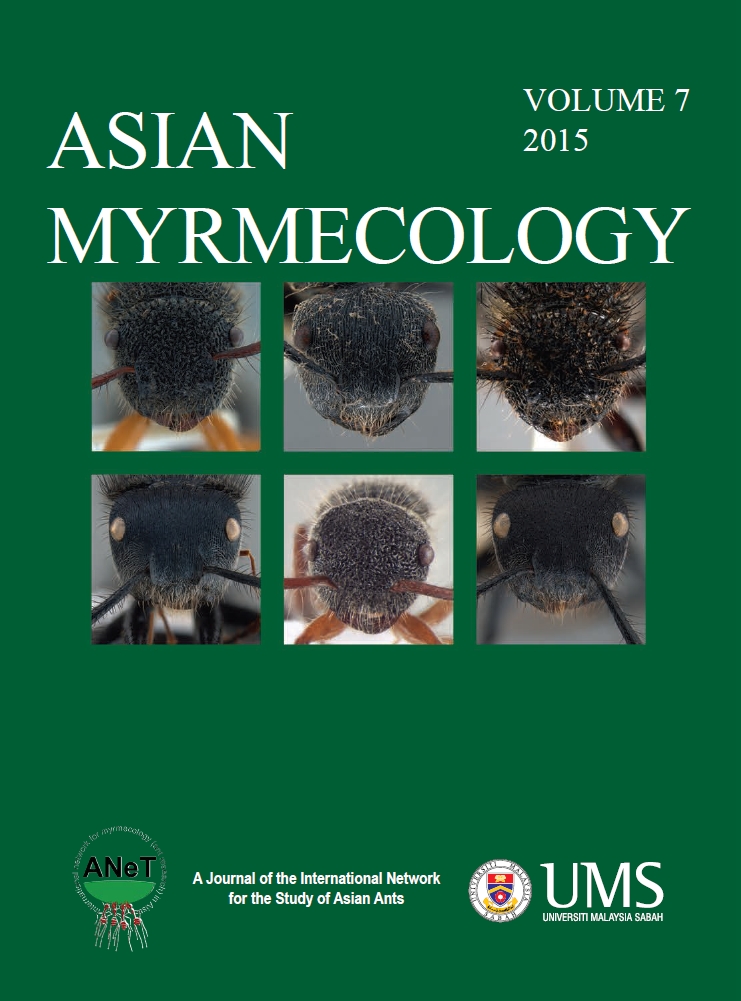
ANTMAPS - a new online tool to visualize ant diversity and ant distribution
Benoit Guénard, University of Hong Kong, and Evan Economo, Okinawa Institute of Science and Technology, announce the release of AntMaps.org, a new online tool developed by Evan Economo, Julia Janicki, Benoit Guenard, Nitish Narula, and Matt Ziegler, to visualize ant diversity and distributions based on the Global Ant Biodiversity Informatics (GABI) database. GABI is a compilation of currently 1.6 million records of ant species occurrence records from nearly 8500 publications and numerous museum and specimen databases. We hearty congratulate to this effort that should also be a tool to identify erroneous or suspicious ant records. So if you are a specialist for a certain group, please check your favorite species!
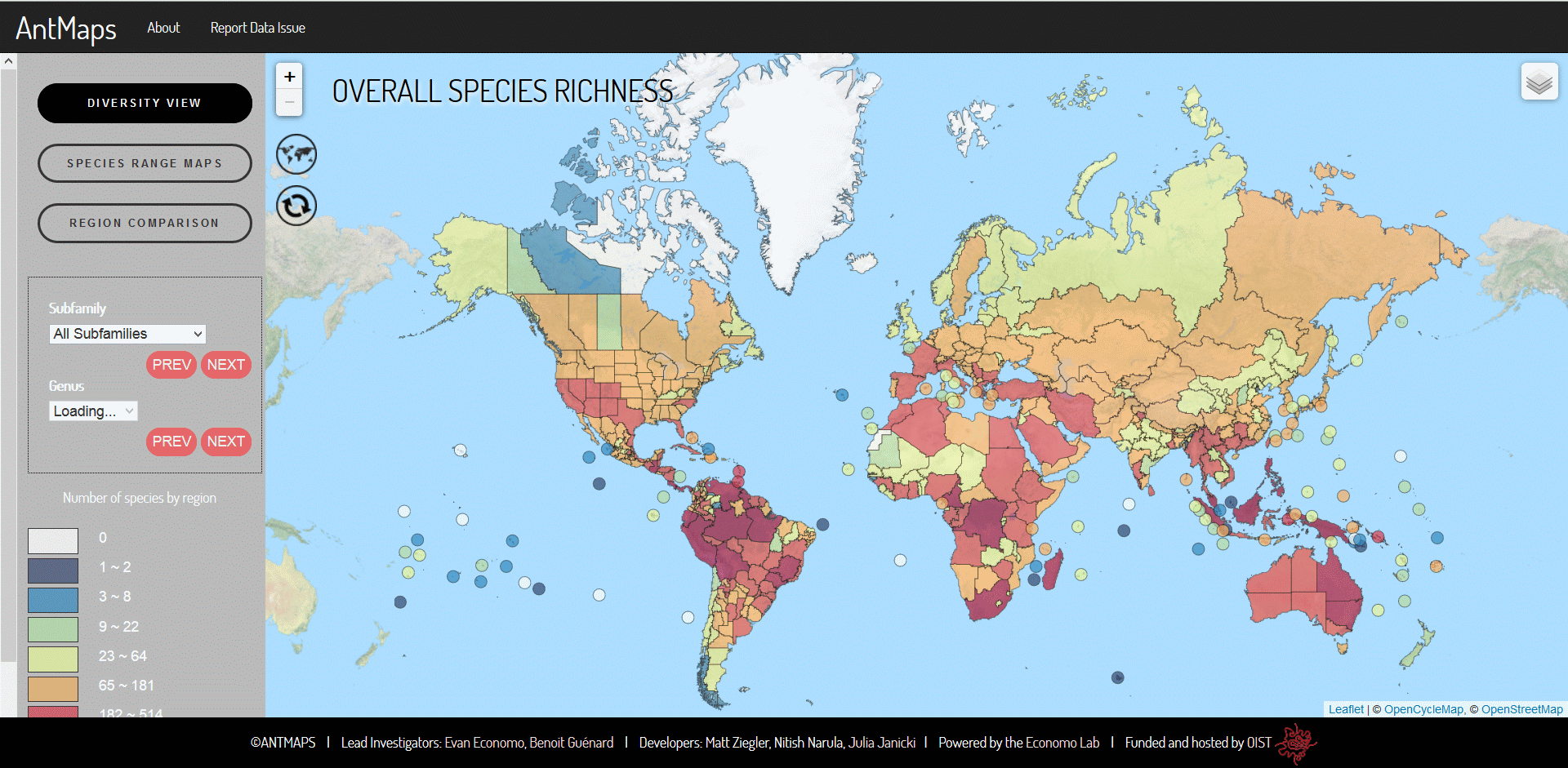
There are several visualization tools implemented in AntMaps, 1) the Diversity View: the visualization of species richness patterns for any subfamily or genus, with clickable species list for each area , 2) the Species Range Map: you can view a range map for all 15,000 species and subspecies, with clickable access to underlying records behind the occurrence of a species in an area, 3) the Region Comparison: you can compare the overlap of species between any two regions, or map the geographic spread of species that occur in a given region.
Higher impact for Asian Myrmecology
Good News for Ant Researchers: ASIAN MYRMECOLOGY enhances its Impact Factor to 0.889, rank 54 in Entomology! 5-years-IF is even 0.912.
A Guide to the Ants of Sabangau (Indonesia, Kalimantan)
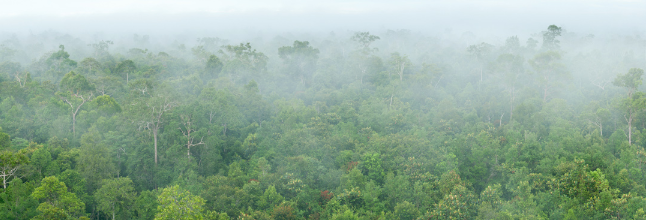
Indonesia has the largest extent of tropical peatlands in the world, mostly in Borneo, Sumatra and Irian Jaya, covering 20.7 million hectares and storing 65% of all tropical peat carbon. The peat-swamp forest in the Sabangau catchment, Central Kalimantan, Indonesia, comprises the largest remaining continuous lowland forest in Borneo, and supports the world's largest populations of Bornean orangutan. The ant fauna of Kalimantan is largely unknown. Field ecologist Stijn Schreven, from OuTrop, Orangutan Tropical Peatland Project, has now made a major attempt to shed some light on ant diversity of that area. In collaboration with a team of local ant researchers, with antweb.org and AntBase.Net he developed a A Guide to the Ants of Sabangau in order to ease identification of Kalimantan ants and to foster future studies on them! If you like to check out this beautiful book, download it here (36 MB, 128 pages). More information on the whole project can be obtained at their webpage..
19 Polyrhachis species from Borneo!
Here are the original photographs of Rudy Kohout's review of the subgenus Polyrhachis, which has been published in the recent issue of Asian Myrmecology, including ten previously described species and new one P. maliau. But please have a look....
Eight more species in December
These rarities from South East Asia and China have been collected and partly described by Prof. Yamane in the recent years. Most of that species have been given to our collection as a gift. We say thank you very much, dear Professor! We hope that you have much luck with further ant collections! Have a look to these beautiful photographs....
A new photographer at www.antbase.net:
fine pics from Yamane san's great collection
After all Khisghee decided to quit her work with us in order to better care for her baby - and Master Thesis. We thankfully ackowlegde her brilliant work and all the beautiful pictures she took for us. But now Lights, Music, Curtain... for our new photographer Anu Nasanbat! She has choosen mainly Dolichoderus species for her first pictures at www.antbase.net.. Quality is fine! Have a look, please....
We are back again: 17 new species from the collection of Prof. Yamane
Our baby break is over and we are pround to present brand new photographs of 17 species of Aenictus photographed by Khishigdelger. Have a look to these unique pictures!
An "earth quake" in ant taxonomy!
2014 will be the year of a series of changes in ant taxonomy. Phil Ward has written a review on the recent advances in our understanding of ant evolutionary history, which have been propelled by the use of molecular phylogenetic methods. At the same time, together with Sean Brady, Brian Fisher and Ted Schulz, he published a comprehensive study on the evolution of myrmicine ants. Chris Schmidt and Steve Shattuck worked out a 242-pages paper on the higher classification of the ponerinae, while Brady et al. published on phylogeny of the doryline ants. Now Formicinae are still missing, although Chen et al. made an approach last year for the Chinese formicine ants. The outcome of these studies are hundreds of name changes that had been listed by Steve on an antwiki page: have a look on this list!
www.antbase.net will have some difficulties to put all these changes to its databank in the near future. Being on the web for 10 years now we urgently need to transfer all our data to a new server. We are struggeling...to keep pace with the current proceedings in myrmecology.
First call for ANeT 2015 meeting in Sri Lanka
"I am delighted to host 10th ANeT Conference and workshop at University of Kelaniya, Sri Lanka, in 2015", says Prof. R.K.S. Dias, the organizer of the next ANeT meeting that will take place from 23rd to 26th October 2015 in Kelaniya. The first call for this meeting is out now, so please save the date!
A new ant researcher was born!
Our photographer Khishigdelger has given birth to a baby in the last week of May. Mother and baby are fine and we expect that around September antbase.net will come back to normal work again. So please come back to us later!
Type specimens from the collection of Prof. Seiki Yamane
The new year starts with an interesting contribution from Japan. Prof. Dr. Seiki Yamane, Asia's most famous ant researcher, has opened his legendary collection for us, which is the result of dilligent ant sampling for decades. Numerous students and coworkers profited from his ant enthusiasm and several times www.antbase.net was in the lucky position to show some of his thoroughly prepared specimens. In January we showed already a collection of species sampled from South East Asia, in February we present a special on Aenictus, a blind, mass raiding genus inhibitating the rainforest floor. Many of these are type specimens! Check it out!
A hardly known genus of myrmecophilous crickets
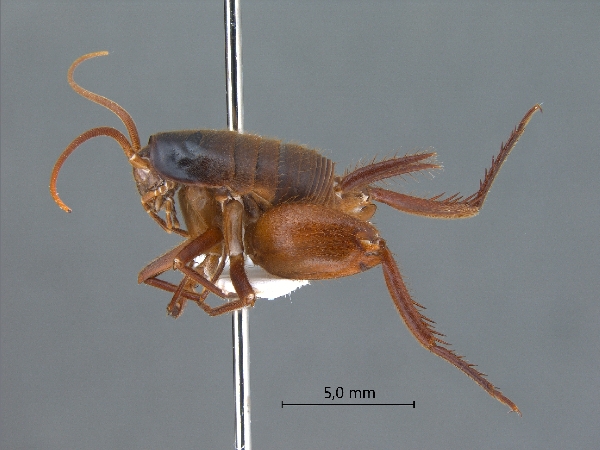
The family Myrmecophilidae, the ant loving crickets, comprise five genera, one of it is Camponophilus, with its single member C. irmi - an ant cricket living symbiotically with Camponotus gigas, the Giant Forest Ant. Here we provide automontage pictures of this rare and hardly known species. Check for details!
Beauties from the Iranian deserts: 15 species from Omid Paknia's collection - Thank you!
In June we present ant specimens from Iran collected by Omid Paknia during his PhD work. Our photograph Khishigdelger made the pictures of these amazing species: have a look, please!
April-May 2013: Courtesy of Himender Bharti: 27 newly described species from India - the secrets of the Himalayas
Dr. Bharti and his students are among the most productive ant taxonomists at present. The Indian subcontinent harbours an amazing variety of species new to sciences. Here we present pictures provided by Bharti's team: Have a click! Thank's for this fine cooperation!
NEW in March 2013: 14 species most of them new to sciences
The new issue of ASIAN MYRMECOLOGY came up with twelve newly described species. Here we present the original pictures of 14 species that are shown in that volume. Have a closer look to the new species!
NEW in March 2013: Three more specimens from Ulykpan Aibek's collection!
In March 2013 we are presenting three more specimens from Mongolia, from Ulykpan Aibek's collections. Let's see!
More specimens from Ulykpan Aibek's collection!
In January 2013 we present more species from Mongolia, from the collection of Ulykpan Aibek. Have a look to our pictures!
The first specimens from Ulykpan Aibek's collection!
The ants of Mongolia are our special mission! In cooperation with Aibek U. we proudly present 10 ant species from Mongolia, including such interesting species as Polyergus nigerrimus. The pictures have been taken bei our photographer Khishgee as usual. We are aiming at renewing all pictures from Mongolian ant species, so there will be more pictures coming soon! Have a look to Aibek's collection.
NEW in September and October 2012: The first Aenictus specimens from Thailand
We have set up a cooperation with Dr WEEYAWAT JAITRONG, who is the Asian specialist for Aenictus. Find here the first pictures of some two specimens from Thailand. More pictures of these species will be here available soon. See Zootaxa (only Abstract!) for Dr Weeyawat's latest work. And here to our pictures for September and October!
NEW in August 2012: Specimens from Borneo
Summer holidays almost everywhere, and also in our lab. We have been on expedition to Southern Siberia, therefore our July presentation is skipped. Here are some pictures from Bornean ant species for August. Martin is currently working on some Borneo ant papers, so we had a look to our collection and found some interesting specimens there. Let's see...
NEW in June 2012: More ant species from India!
In June we present more species from India, from Himender Bharti's collections. Our gallery shows the amazing diversity of the ants from the Himalaya!
NEW in May 2012: Ants from India!
This month we presents ants from India, from Himender Bharti' collections.
These are ants from the Himalaya and we are proud to present them on the Web. Have a look to our pictures!
NEW: Made in Mongolia: The first ant pictures from our lab in Ulaanbaatar: 16 species from China!
After a long period of preparation, we proudly present here the first outcome of our efforts: 16 ant species from the collection of John R. Fellowes, editor of ASIAN MYRMECOLOGY, who sampled the specimens from different regions of China.
The pics have been prepared on our well-proven Leica Z6 Apo A that we brought from Ulm. Little change to before: instead of senior photographer Hans Peter Katzmann our new staff Khishigdelger Enkhtur, now chief photographer and project manager,mounted the specimens and took the pics. Congrats to your work, and welcome at www.antbase.net!
Ants from the Peoples Republic of China are still rare in Internet collections, so we are happy that we can unravel some of these "hidden secrets". Take a look to what John R. Fellowes had collected some years ago and visit our Ants of China! More species are about to come.
NEW in March and April 2012: More ants from China!
These months we prepared even more ants from China, from John Fellowes' collections. Some of these ants had been photographed in India, by Himender Bharti, as a part of our cooperation in ANeT. Others come form our lab in Ulaanbaatar, photographed by Khishigdelger. Have a look to our collection!
Two novelties for Bornean ants: A new Key to the Bornean Ant Genera and a comprehensive List of the Ants of Borneo
At the end of the year we come up with two new tools that should ease the identification of Bornean ant species.
Tom Fayle provides an updated and translated Key to the Ant Genera of Borneo in English and Malay [PDF], based on the keys of Yoshiaki Hashimoto (website). Plus a Glossary of Morphological Terms [PDF], also in Malay and English. The new key includes the latest taxonomic developments, but note that key and glossary are only draft versions. If you have any feedback please . Of course you may access the new key at any time from our website.
A group of ANeT researchers headed by Martin Pfeiffer have come together to provide a species list to the Ants of Borneo, which has been recently published in the forth volume of ASIAN MYRMECOLOGY. We do not only provide a link to the pdf, but based on the original paper we have established a website that allows direct access to all the species listed in the paper and stored in our data base. Welcome to the Ants of Borneo Webpage!
The Ants of Iran
Iran is a vast country with a total area of 1.6 million square kilometers, which is located in the mid-latitude band of arid and semi-arid regions of the Old World, in Southwest Asia. Biogeographically southwest Asia represents a transition zone between three regions: Palaearctic, Afrotropical and Oriental. Iran’s borders at the south and east are near to the Afrotropical and Oriental regions, respectively. Although arid and semi-arid areas cover more than half of the country, Iran also includes high mountains with alpine areas, broadleaf forest in the southern coastal plains of the Caspian forests, and steppe forests in the north and west. The Iranian ant fauna has been poorly investigated. So far 142 species belonging to 32 genera have been recorded from Iran (Paknia et al. 2008, Paknia et al. 2010), which is still far from the real number.
Have a look at the marvels of the Iranian desert...
The Ants of Central Europe
Dr. Bernhard Seifert of the "Senckenberg Museum für Naturkunde Görlitz" is one of the best known German ant researchers. After having published the most important ant species of Germany from his famous book: "Ameisen: beobachten, bestimmen", we continue our collaboration with a new section on the Ants of Central Europe. This new part of our website is a teamwork between www.antbase.net, Dr. Seifert and the Natural History Museum Vienna, where Daniela Magdalena Sorger took the pictures of these beautiful ants.
Have a look...
The Ants of Southeast Asia
This website is dedicated to the ants of Poring, Kinabalu
National Park, Sabah, Malaysia, a tropical rainforest with the world's
highest ant diversity: 650 species of ants from 81 genera and 8 subfamilies
of the Formicidae have been found there. In our virtual museum of natural
history you find pictures of Aenictinae, Cerapachyinae, Dorylinae, Dolichoderinae,
Formicinae, Myrmicinae, Ponerinae, and Pseudomyrmecinae.
Have a look...
Ants of Germany
Dr. Bernhard Seifert of the "Staatliches Museum
für Naturkunde Görlitz" is one of the best known German
ant researchers. In Antbase.net he shows pictures of the
most important ant species of Germany from this famous book: "Ameisen:
beobachten, bestimmen" (Naturbuchverlag).
GO!
Ants of Mongolia
Mongolian ants are hardly studied. Here we present the most important species. These ants live in
the deserts and steppes of Central Asia.
GO!
© 2003-2022. Martin Pfeiffer. University of Bayreuth.
Designed and maintained by Martin Pfeiffer


Newest links on antbase.net:
- New in July 2019: New pictures of ants from Sarawak
- New in February 2019: New pictures of ants from Malaysia
- New in January 2019: New photographs of ants from Africa, Europe, Asia and Australia
- New in December 2018: New pictures of ants from all around the world
- New in October 2018: New pictures of ants from Europe and Asia
- New in September 2018: New photographs of ants from Asia
- New in August 2018: New ant pictures from Japan, New Guinea and Germany
- New in July 2018: New photographs of ants from Germany
- New in June 2018: Another set of pictures of rare ants from Asia
- New in May 2018: More photographs of unusual ants from Asia
- New in April 2018: New pictures of six rare ants from Asia
- New in March 2018: New pictures of six Polyrhachis species from Asia
- New in February 2018: New pictures of ants from Germany
- New in January 2018: More new pictures of ants from Taiwan
- New in December 2017: New pictures of six ants from Taiwan
- New in October 2017: New pictures of six species from South East Asia
- New in August 2017: New pictures of six species from Europe and Asia
- New in July 2017: Six new ants from Europe and Asia
- New in June 2017: Six new ants from South-East Asia
- New in May 2017: Commemorating the first anniversary of Rudolf J. Kohout's death
- New in April 2017: Six new ants from Asia and Europe
- New in March 2017: Photographs of six new ants
- New in February 2017: Six ant species from four continents
- New in January 2017: Six new ant species from South-East Asia
- New in December 2016: Six new acrobat ant species
- New in November 2016: Launch of the new ANeT website
- New in October 2016: Six new ant species from Asia and Australia
- New in September 2016: New photographs of ants from Australia, Germany and Ivory Coast.
- New in July 2016: Six new ant species from five continents
- New in June 2016: Six new ant species from Yamane san
- New in May 2016: New ant photographs from Asian Myrmecology papers
- New in April 2016: Polyrhachis from South-East Asia and Australia
- New in March 2016c: Polyrhachis from Australia
- New in March 2016b: Symposium "Ants 2016" in Munich
- New in March 2016: Two Sphingtomyrmex species from Thailand
- New in February 2016: The Ant Life Dot Com
- New in December 2015: Three species of Recurvidris from Thailand
- At the end of the year: New volume of the Mongolian Journal of Biological Sciences!
- NEW in September: 17 species from the collection of Seiki Yamane
- July 2015: ANTMAPS - a new online tool to visualize ant diversity and ant distribution
- June 2015: New issue of the Mongolian Journal of Biological Sciences
- April 2015: 5 species from Mongolia
- NEW in March 2015: 6 species from Mongolia!
- New in February 2015: 5 species.
- NEW in December 2014: Ant guide (36 MB)
- NEW in December 2014b: 19 Polyrhachis species from Borneo!
- New in December 2014: 8 species from Yamane san.
- New in November 2014: 10 species from Yamane san, photographed by Anu Nasanbat.
- Top ant phylogenist Corrie Moreau reveales her secret recipes: A detailed description on insect DNA works that just appeared in Indian Entomological Journal Halteres.
- 17 species of Aenictus from Prof. Yamane san's collection
- New issue of ASIAN MYRMECOLOGY
- NEW in June 2014: First announcement for the IV Central European Meeting of IUSSI 2015 in Lichtenfels, Germany
- NEW in June 2014: First call for the ANeT 2015 conference in Sri Lanka
- NEW in February 2014: More Aenictus species from Yamane san's collection
- NEW in January 2014: 18 species from Yamane san's collection
- December 2013: Eleven species from Iran
- John LaPolla's call for specimens
- Irmi's ant cricket!
- Trophic ecology of tropical leaf litter ants by Pfeiffer, Mezger & Dyckmans
- June 2013: Ants from Iran
- May 2013: More ants from India
- April 2013: Ants from India
- New issue of ASIAN MYRMECOLOGY
- Fourteen species described in AM-Vol 5 - mostly new to Sciences
- NEW in March 2013: Three more species from Mongolia
- NEW in January 2013: More species from Mongolia
- A well-known journal now available at the internet: Free access to the Mongolian Journal of Biological Science!
- ONLINE ONLY SPECIES DESCRIPTION IS POSSIBLE FROM 2013!
- NEW in October: Aenictinae from Thailand
- NEW in September: Aenictinae from Thailand
- NEW in August: Specimens from Borneo
- New in July: Beta Diversity of Bornean Ants
- NEW: A synoptic review of the ant genera (Hymenoptera, Formicidae) of the Philippines by David General & Gary Alpert
- NEW in June: 14 species from India
- NEW in May: 15 species from India
- NEW in April: 8 more species from China
- NEW in March: 14 further species from China
- NEW: 16 ant species from China
- ANTPROFILER - a database on morphological & ecological traits of ant species
- NEW: 4th Volume of Asian Myrmecology
- NEW: A comprehensive species list for the ants of Borneo in HTML on antbase.net
- The original paper by Pfeiffer et al. 2011
- Tom Fayle's homepage updated
- Martin Pfeiffer's homepage updated
- Elisabeth Kalko passed away in Africa
- AntCat: Barry Bolton's new ant catalog (ext)
Ants from INDIA, provided by Dr. Himender Bharti! - ASIAN MYRMECOLOGY has got its first Impact Factor ! CONGRATULATION!!
- New Polyrhachis species from the collection of Rudy Kohout!
- More pictures of Iranian Ants, collected by Omid Paknia
- New Identification Key for the philippine Myrmoteras ants
- New pictures of Camponotus ants from the collection of Seiki Yamane
- An introduction to a few of the 1500 species of ant that live in Borneo, with Carsten Brühl
- Army Ant week at Myrmecos - have a look
- Barry Bolton's latest Ant Catalogue (searchable PDF) is posted at the Global Ant Project website for all to use!
- A new paper on the ants of the Philippine Islands: the genus Odontomachus in Myrmecological News
- More Aenictus species from Borneo and Thailand!
- More pictures of Ants from the Iran!
- Three new Aenictus species from Borneo and the Philippines
- New Polyrhachis pictures from our cooperation with Rudy Kohout
- The Chinese Ant Database (via Google Translate)
- antARK - An introduction to the study of Ants
- Read the revised text about keeping ants as pets from Jan Kofahl
- Have a look at the new website of the Global Ant Collaboration and meet the Global Ant Collaborators!
- A new key about the Prenolepis genus-group from J.S. LaPolla in our Library
- Very entertaining photostream on Flickriver about all kinds of Formicidae
- Some of the remaining specimens from our collection - rephotographed in Automontage
- Two Camponotus species from our collection
- New Automontage pictures of Polyrhachis
- New Automontage pictures of several Pheidole species from our ABNC Collection
- More pictures from the NHM in London
- Two new Aenictus species from W. Jaitrong
- New pictures of ants from the British Natural History Museum
- Iranian Ants at www.antbase.net
- New pictures from the genera Strumigenys and Tetramorium!
- Pictures from the NHM London from Daniela Magdalena Sorger
- New pictures from the AntBase.Net Collection - have a look!
- New pictures of the genus Technomyrmex from the collection of Seiki Yamane!
- A new species of Eurhopalothrix - Eurhopalothrix elke
- The last pictures from the NHM London and some pictures from our own Collection in Ulm
- A new species of Lasiomyrma from Thailand
- Even more pictures this month, this time by Magdalena Sorger from the NHM Vienna
- More pictures from the Natural History Museum in London
- First pictures of ants from the Natural History Museum, London
Call For Specimens
Visitors:

Since May 2016, papers of Asian Myrmecology are published as online first.
.jpg)
This interesting field guide to Kalimantan peat swamp ants can now be downloaded from our website!